
For parents & caregivers · Rest
Helping a Child Decompress After School
The meltdown at 4pm is often not about anything that happened at 4pm. A caregiver's guide to what's really going on, and what helps.
Selfey Editorial · 4 min read
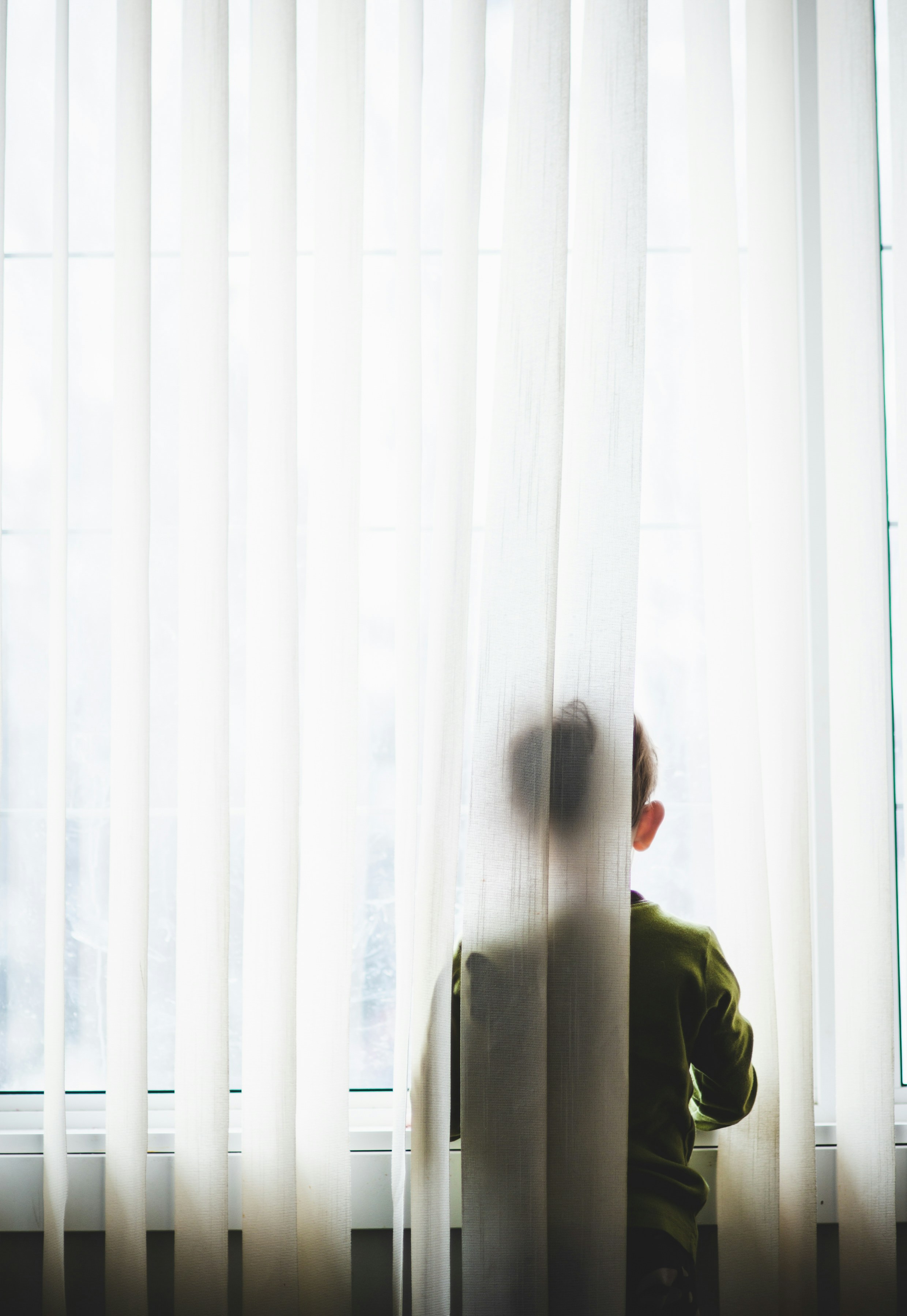
The classroom door opens, and the teacher catches your eye with a warm nod. She tells you your child had a lovely day: engaged during circle time, shared the coloured pencils without prompting, ate their lunch, and listened well. You feel a small swell of relief. Yet twenty minutes later, across the kitchen counter, the world has ended. A piece of toast cut into triangles instead of squares, a sibling who sat in the slightly preferred chair, or a shoelace that will not untie smoothly produces an eruption of tears, shouting, or total physical collapse onto the floor.
If this sequence feels bewilderingly familiar, you are not failing, and your child is not suddenly regressing. Among child psychologists and family practitioners, this pattern is often referred to as after-school restraint collapse. It is not a formal diagnosis or a pathology. Rather, it is a straightforward biological and emotional release: children spending six or seven hours working extraordinarily hard to regulate themselves within a rigid environment, only to let the reservoir burst the second they step into the one place where they feel completely safe.
The unseen labour of a modern school day
To understand why the late afternoon unravels so quickly, it helps to look at the school day through the lens of a developing nervous system. Adults often remember childhood through the soft focus of play, but modern educational settings place continuous, unrelenting demands on executive function and self-regulation.
From the moment the morning bell rings, a child is asked to inhibit natural impulses. They must sit relatively still on hard furniture, manage sensory overload from fluorescent lighting and echoey hallways, navigate complex peer hierarchies, wait their turn, suppress physical movement, and transition between disparate subjects entirely on someone else's timetable. Every time a classmate knocks over their tower and they choose not to yell, or every time they feel restless but stay seated, they draw down their finite reserve of cognitive control.
By the time you collect them at three or four in the afternoon, their regulatory tank is virtually empty. They have held the lid on their anxieties, frustrations, physical restlessness, and fatigue for hours. The explosion does not happen because they are being difficult; it happens because they have simply run out of the neurological resources required to remain composed.
Why home becomes the splash zone
It is painful and confusing when a child saves their most challenging behaviour for the person who loves them most. A common worry among parents is that they are doing something wrong at home, or that their boundaries are too weak because the child manages to be polite and compliant for their teachers but falls apart with family.
In reality, the opposite is true. Children do not collapse in environments where they feel uncertain or unsafe. At school, the social cost of a total meltdown is high; peers are watching, expectations are institutional, and approval feels conditional on following rules. At home, with you, the psychological cost of falling apart is zero. Your child knows, at a deep attachment level, that your care does not evaporate when they lose control.
A child collapses where they feel safest to let go of the effort.
When your child walks through the front door and dissolves over something seemingly trivial, they are not acting out against you. They are releasing the accumulated tension of the day in the presence of their emotional anchor. The collapse is an instinctive, messy sign of secure attachment, even if it feels exhausting to receive.
The Anatomy of Restraint Collapse
All-day sensory & social effort
Suppression of impulses & fatigue
Arrival into secure attachment
Nervous system downshift & release
Rethinking the post-school transition
Because the collapse often looks like defiance or unreasonable temper, our instinctive parental responses can inadvertently escalate the situation. We might fire a barrage of friendly questions ('How was maths? Did you play with Oliver?'), immediately issue instructions ('Hang up your coat and wash your hands'), or attempt to rationalise with a crying child about the shape of their toast.
When a child's nervous system is in an overtired, dysregulated state, incoming language registers as additional cognitive load. Questions, even caring ones, demand processing power they do not currently possess. Direct corrections feel like an extension of the demands they have been enduring all day.
Shifting the post-school environment from high-demand to low-demand creates an emotional decompression chamber. This does not mean abandoning boundaries or accepting abusive behaviour; it means staging the afternoon so the nervous system can reset before expectations resume.
- The quiet buffer: Resist asking for a rundown of the school day in the car or on the walk home. Allow silence, comfortable music, or simple observation to fill the space without requiring responses.
- Immediate physical refuelling: School lunches are frequently eaten in a rush or left unfinished. Provide a substantial, nutrient-dense snack immediately, without making it conditional on tidying shoes or unpacking bags.
- Low-demand connection: Sit near your child while they draw, look at a book, or pet an animal, offering warmth through physical proximity rather than conversation.
- Physical decompression: Some children need stillness under a heavy blanket; others need twenty minutes on a trampoline or running in the garden to discharge physical tension.
- Delayed demands: Leave homework, instrument practice, and detailed discussions about tomorrow's schedule until after decompression and an early evening meal.
From the research
Sources + further reading
- Self-regulation in children — HealthyChildren.org (AAP)
- Supporting children's emotional wellbeing — NHS
General information, not medical advice. If something feels unmanageable, speak to a GP or a qualified professional.
Keep reading

For parents & caregivers · Rest
Why One Bedtime Routine Doesn't Work for Every Child
The routine that settles one child can wind another one up. The fit matters more than the formula.

For teens · Connection
When You Get Home and Don't Want Anyone to Talk to You
You're not being rude. You've just used up your entire supply of talking to people for the day.

For parents & caregivers · Connection
Snack, Space, or Connection?
Most after-school struggles come down to one of three needs. The trick is figuring out which one it is today.
Want to make this personal?