
Selfey Science
The science behind taking care of yourself.
Explore the research behind rest, connection, movement, mental load, joy and the everyday things that help us feel more like ourselves.
36 studies, read properly — what each one found, what it can't tell us, and what it might mean on an ordinary Tuesday.

Worth knowing

Seven hours isn't a wellness trend. It's a floor.
The short version
A panel convened by the American Academy of Sleep Medicine and the Sleep Research Society reviewed the published evidence and agreed that adults should regularly sleep seven hours or more. Below that, the reviewed research links short sleep to higher risk across weight, heart health, mood, immune function and mortality.
Why it matters
It reframes a habitual six-hour night as a health decision rather than a personality trait — closer in weight to how we already think about diet or movement.
Watson, N. F., Badr, M. S., Belenky, G., et al. (American Academy of Sleep Medicine and Sleep Research Society) · Sleep, 2015
Read the research →Evidence snapshots
Four findings, drawn out.
Every number here comes from the study it cites. Where a study describes an idea rather than a measurement, we draw the idea instead.
- Connection
Being close to people shows up in the health data.
Likelihood of survival over the study period - Weaker social relationshipsreference
- Stronger social relationships+50% likelihood of survival
The 50% figure is the pooled average reported by Holt-Lunstad, Smith & Layton (PLoS Medicine, 2010). It is an association across 148 studies, not an individual prediction.
A meta-analysis pooling 148 studies found that people with stronger social relationships had, on average, a 50% higher likelihood of survival across the study periods than people with weaker ones. The association held across age, sex, starting health and cause of death.
Read the research → - Life
Why mental load can be exhausting when you haven't moved all day.
What mental load is actually made of - Anticipatingnoticing what will be needed
- Rememberingholding it until it's relevant
- Planningworking out how and when
- Decidingchoosing, often for other people
- Following upchecking it actually happened
A Selfey diagram illustrating the concept described in this review. Not a measurement, and not a claim about sequence in the brain.
A review of executive-function research concludes that planning, deciding, remembering and initiating draw on a shared, limited pool of resources. When total demand on that pool is high, performance on tasks that would normally feel easy measurably declines.
Read the research → - Joy
Two hours outside a week, however you get them.
Recreational time in nature, per week 1200360 minutes120 minutes — where the association appears
200–300 minutes · benefits levelled off around here
Both figures are reported in White et al. (Scientific Reports, 2019). Association only — the study cannot show the nature itself is doing the work.
In a large England-wide survey, people who reported at least 120 minutes of recreational time in nature in the previous week were significantly more likely to report good health and high wellbeing than people who reported none. It made no difference whether those minutes came in one long visit or several short ones.
Read the research → - Connection
Contact and connection are not the same thing.
Contact ≠ connection Contact
- Being around people
- Group chats
- A full week
- Interaction counted
Connection
- Feeling people are available
- Being known by a few
- Somewhere to bring it
- Support perceived
A Selfey diagram illustrating the distinction this research draws between received contact and perceived support.
Across studies of adolescents, higher perceived social support — the sense that people are available and care — was consistently linked to better psychological adjustment under stress. Support from parents and close friends showed the strongest associations; sheer amount of contact did not stand in for it.
Read the research →
Keep in mindOne study gives us a piece of the picture. Selfey looks for patterns across the broader evidence rather than treating a single finding as a rule.
Explore the science of
From the evidence desk
Everything we've read, in plain language.

Three weeks was never the number.
Ninety-six people repeated one everyday behaviour daily for twelve weeks while rating how automatic it felt. On average, behaviours took 66 days to reach peak automaticity — with individual estimates ranging from 18 to 254 days. Missing the odd day did not meaningfully harm the process.
European Journal of Social Psychology, 2010 · Longitudinal study
- MindModerate confidence
Naming the feeling seems to take some of the heat out of it.
Putting a feeling into specific words was linked, in one brain-imaging study, to calmer activity in the brain's threat-response region.
Read the research →Psychological Science, 2007 · Experimental study
- ConnectionEmerging evidence
The short exchange with the barista is doing something.
Brief, warm exchanges with acquaintances and strangers were linked to greater daily happiness and belonging, on top of any benefit from close relationships.
Read the research →Personality and Social Psychology Bulletin, 2014 · Experimental study
- ConnectionModerate confidence
The U.S. Surgeon General Named Loneliness a Public Health Priority
A 2023 U.S. Surgeon General advisory concluded that loneliness and isolation carry health risks on par with other major, well-established risk factors.
Read the research →U.S. Department of Health and Human Services, 2023 · Guideline
- JoyEmerging evidence
Does Listening to Music Actually Help Regulate Mood?
A meta-analysis found personality traits like neuroticism are modestly linked to how people use music to manage emotions, for better or worse.
Read the research →Psychology of Music, 2020 · Meta-analysis
- ConnectionStrong confidence
Feeling Close to Someone Can Help Your Body Feel Safer
Having even one close, dependable relationship with a trusted adult is strongly linked to children feeling calmer and coping better with hard things.
Read the research →Harvard Center on the Developing Child — research briefs on relationships and resilience, 2020 · Systematic review
- BodyStrong confidence
Moving Your Body Can Help a Busy Brain Settle
Regular movement is one of the most consistent things linked to children feeling calmer, sleeping better and concentrating more easily.
Read the research →WHO Guidelines on Physical Activity and Sedentary Behaviour, 2020 · Guideline
- BodyStrong confidence
Some movement beats none. That's in the guideline itself.
WHO's 2020 guidelines recommend 150–300 minutes of moderate activity weekly for adults, plus strength work twice a week, stressing that any movement beats none.
Read the research →British Journal of Sports Medicine, 2020 · Guideline
- BodyStrong confidence
Movement Is Linked to Better Mood in Teenagers
Being more physically active is consistently linked to better mood and lower anxiety in teenagers, across many different studies.
Read the research →Sports Medicine, 2019 · Systematic review
- BodyModerate confidence
The '120 Minutes a Week' Nature Finding
In a large England survey, people getting at least 120 minutes a week in nature reported better health and wellbeing than those getting none.
Read the research →Scientific Reports, 2019 · Cross-sectional study
- JoyModerate confidence
Two hours outside a week, however you get them.
In one large England-wide survey, people reporting at least two hours a week in nature also reported notably better health and wellbeing.
Read the research →Scientific Reports, 2019 · Cross-sectional study
- JoyModerate confidence
What a Major WHO Review Found About Art and Wellbeing
A major WHO review of thousands of studies found regular arts participation is broadly associated with better mental and physical wellbeing, though evidence quality varies by art form.
Read the research →WHO Regional Office for Europe, Health Evidence Network synthesis report 67, 2019 · Systematic review
- BodyModerate confidence
More exercise isn't automatically better for mood.
In this huge US survey, regular exercisers reported fewer poor mental health days, with a moderate amount and social or aerobic types linked to the biggest difference.
Read the research →The Lancet Psychiatry, 2018 · Cross-sectional study
- BodyModerate confidence
Strength Training and Depressive Symptoms: What the Trials Show
Pooling 33 trials, resistance training was linked to meaningfully lower depressive symptoms, and the effect didn't hinge on actual strength gains.
Read the research →JAMA Psychiatry, 2018 · Meta-analysis
- ConnectionModerate confidence
Contact and connection are not the same thing.
Feeling genuinely supported by a few close people is more strongly linked to coping well with stress than the amount of social contact you have.
Read the research →Psychological Bulletin, 2017 · Systematic review
- RestStrong confidence
Kids' Brains Need Proper Downtime, Not Just Sleep
Children generally need both enough hours of sleep and some real unstructured downtime during the day to feel steady.
Read the research →Recommended Amount of Sleep for Pediatric Populations, 2016 · Guideline
- RestStrong confidence
Seven hours isn't a wellness trend. It's a floor.
A consensus of major sleep and medical societies recommends adults get at least seven hours of sleep a night for optimal health.
Read the research →Sleep, 2015 · Guideline
- RestModerate confidence
Reading on a Backlit Screen Before Bed Delays Your Body Clock
Reading on a backlit device before bed suppressed melatonin and delayed the body clock compared with reading a printed book, in a controlled lab study.
Read the research →Proceedings of the National Academy of Sciences, 2015 · Experimental study
- RestStrong confidence
A teenager's late night is partly biology, not defiance.
Teenagers' internal body clocks naturally shift later, which is a real biological change, not just poor sleep habits.
Read the research →Journal of Adolescence, 2015 · Systematic review
- LifeModerate confidence
Predictable Routines Help Kids Feel Less Stressed
Predictable daily routines are linked with lower stress and steadier behaviour in children, likely because less mental energy goes into figuring out what happens next.
Read the research →Journal of Family Psychology — research on family routines and child wellbeing, 2014 · Systematic review
- RestStrong confidence
Why Pediatricians Recommend Later School Start Times for Teens
The American Academy of Pediatrics recommends school start times of 8:30am or later because earlier starts conflict with adolescents' biological sleep needs.
Read the research →Pediatrics, 2014 · Guideline
- MindModerate confidence
An Eight-Week Self-Compassion Course Was Linked to Lasting Gains in Wellbeing
An eight-week self-compassion training program was linked to lasting increases in wellbeing and drops in stress in a randomised trial.
Read the research →Journal of Clinical Psychology, 2013 · Randomised trial
- JoyModerate confidence
Play Isn't Just Fun — It Helps Growing Brains Recover
Free, child-led play appears to build real skills — problem-solving, creativity, handling feelings — and children generally have less of it than they used to.
Read the research →American Journal of Play — 'The Decline of Play and the Rise of Psychopathology in Children and Adolescents', 2011 · Systematic review
- JoyMixed findings
The Argument That Less Free Play Has Costs for Children
One influential analysis argues that decades of decline in children's free play parallel rising youth anxiety and depression, though it can't prove the two are causally linked.
Read the research →American Journal of Play, 2011 · Qualitative study
- ConnectionModerate confidence
What Actually Helps Reduce Loneliness? A Look at the Evidence
Programmes that helped people rethink negative social assumptions reduced loneliness more than programmes that just added social opportunities.
Read the research →Personality and Social Psychology Review, 2011 · Meta-analysis
- LifeStrong confidence
Why mental load can be exhausting when you haven't moved all day.
When total demand is high, even simple everyday tasks can start to feel like effortful work, because the brain's regulation resources are shared and limited.
Read the research →Annual Review of Psychology, 2011 · Systematic review
- ConnectionStrong confidence
Being close to people shows up in the health data.
People with stronger social ties were, on average, far more likely to survive over the study period than those with weaker ties.
Read the research →PLoS Medicine, 2010 · Meta-analysis
- LifeMixed findings
What the Evidence on Flexible Working Actually Shows
Worker-controlled scheduling shows some promising links to wellbeing, but the evidence behind flexible working is thinner and lower-quality than commonly assumed.
Read the research →Cochrane Database of Systematic Reviews, 2010 · Systematic review
- MindModerate confidence
Why Being Able to Adapt Your Response Matters More Than Feeling Good
Flexibly adapting your response to circumstances, rather than just minimising negative emotion, is repeatedly linked to better mental health.
Read the research →Clinical Psychology Review, 2010 · Systematic review
- MindStrong confidence
What Two Decades of Rumination Research Actually Show
A major review of two decades of research found that repetitive dwelling on distress tends to worsen mood and impair problem-solving over time.
Read the research →Perspectives on Psychological Science, 2008 · Systematic review
- RestModerate confidence
Time off doesn't restore you just by being time off.
Recovering from work stress depends less on simply having free time and more on mentally detaching, relaxing, and finding mastery or control during it.
Read the research →Journal of Occupational Health Psychology, 2007 · Cross-sectional study
- MindModerate confidence
Giving a Feeling a Name Can Make It Smaller
Putting a feeling into words, instead of just having it swirl around inside you, is linked to that feeling calming down a bit.
Read the research →Psychological Science, 2007 · Experimental study
- LifeStrong confidence
Why 'If-Then' Plans Outperform Good Intentions
Pairing a goal with a specific 'if this happens, then I'll do that' plan is associated with meaningfully better follow-through than intention alone.
Read the research →Advances in Experimental Social Psychology, Vol. 38, 2006 · Meta-analysis
- MindModerate confidence
Writing Things Down Can Lower How Heavy They Feel
Writing about what's stressing you, even briefly, is linked to reduced distress across a large body of research.
Read the research →Journal of Consulting and Clinical Psychology, 1998 · Meta-analysis
- JoyModerate confidence
Enjoyment Depends on Not Watching Yourself Do the Thing
Full absorption without self-judgment or an audience is strongly linked to genuine enjoyment, and evaluating an activity while doing it tends to reduce that enjoyment.
Read the research →Flow: The Psychology of Optimal Experience (Harper & Row), 1990 · Qualitative study
- LifeModerate confidence
It's Not the Workload Alone — It's the Workload Without Control
High demands paired with low control are associated with more strain than high demands alone — a degree of decision latitude appears to matter as much as workload.
Read the research →Administrative Science Quarterly, 24(2), 1979 · Cross-sectional study
Science in real life
What does the research look like on an ordinary Tuesday?

The research
Psychological detachment during off-hours was independently associated with lower exhaustion.
Real life
Leaving the phone in another room during dinner is not a productivity technique. In this literature it is closer to the mechanism itself.
The study behind this →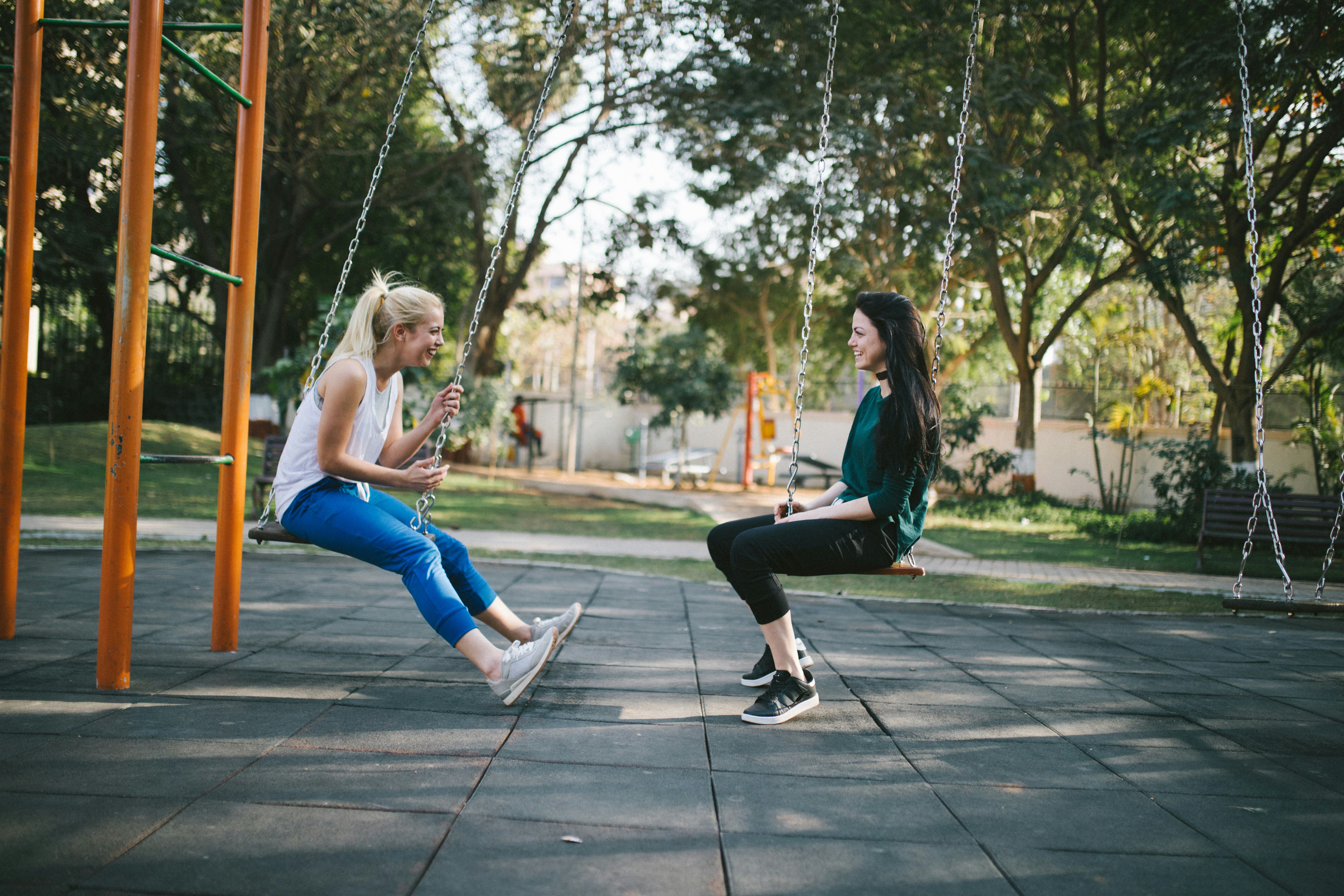
The research
At least 120 minutes a week in nature was associated with better self-reported health and wellbeing.
Real life
Twenty minutes of the school run done the long way, on foot, five days a week. Nobody would call it being in nature. It is the same number of minutes.
The study behind this →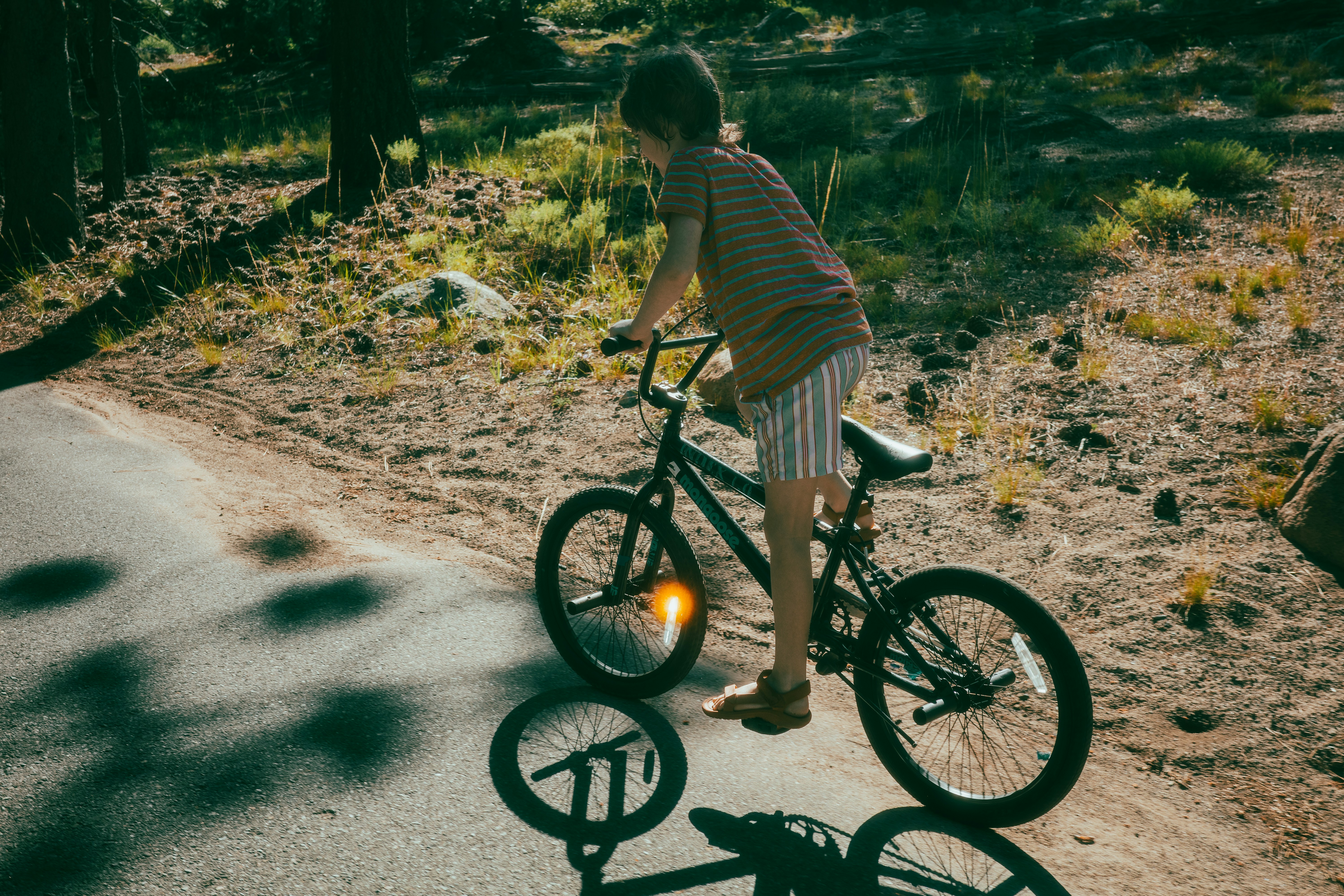
The research
Executive functions share a limited pool of resources; when total demand is high, easy tasks get harder.
Real life
Sitting in the car for ten quiet minutes before walking into the house may not look productive — and that may be exactly the point.
The study behind this →
How we read research
Evidence isn't the same as certainty.
Every study here carries a confidence label — an editorial judgement about the whole body of evidence, not a score for a single paper. Where a finding is commonly overread, the page says what it does not mean.
Strong confidence
A consistent body of evidence — reviews, meta-analyses or established guidelines pointing the same way across populations.
Moderate confidence
Carefully designed research that still needs context or replication: trials, longitudinal work, well-conducted single studies.
Emerging evidence
An early signal worth knowing about: preliminary studies, smaller samples, designs that can't yet settle the question.
Mixed findings
Genuinely conflicting findings. The literature doesn't agree, and we say so rather than pick a side.