
Feeling Close to Someone Can Help Your Body Feel Safer
Decades of child development research link warm, responsive relationships with children feeling calmer and more secure.
Study title: Feeling Close to Someone Can Help Your Body Feel Safer — Center on the Developing Child, Harvard Center on the Developing Child — research briefs on relationships and resilience, 2020
- Study type
- Systematic review
- Population
- Children across early and middle childhood, synthesis of decades of developmental research
- Published
- 2020
- Evidence confidence
- Strong confidence
The short version
Having even one close, dependable relationship with a trusted adult is strongly linked to children feeling calmer and coping better with hard things.
Why it matters
Closeness with someone you trust isn't just nice to have — it appears to genuinely change how calm your body can feel.
01
The question
02
How it was studied
03
What they found
04
Limitations
05
What it may mean
In real life
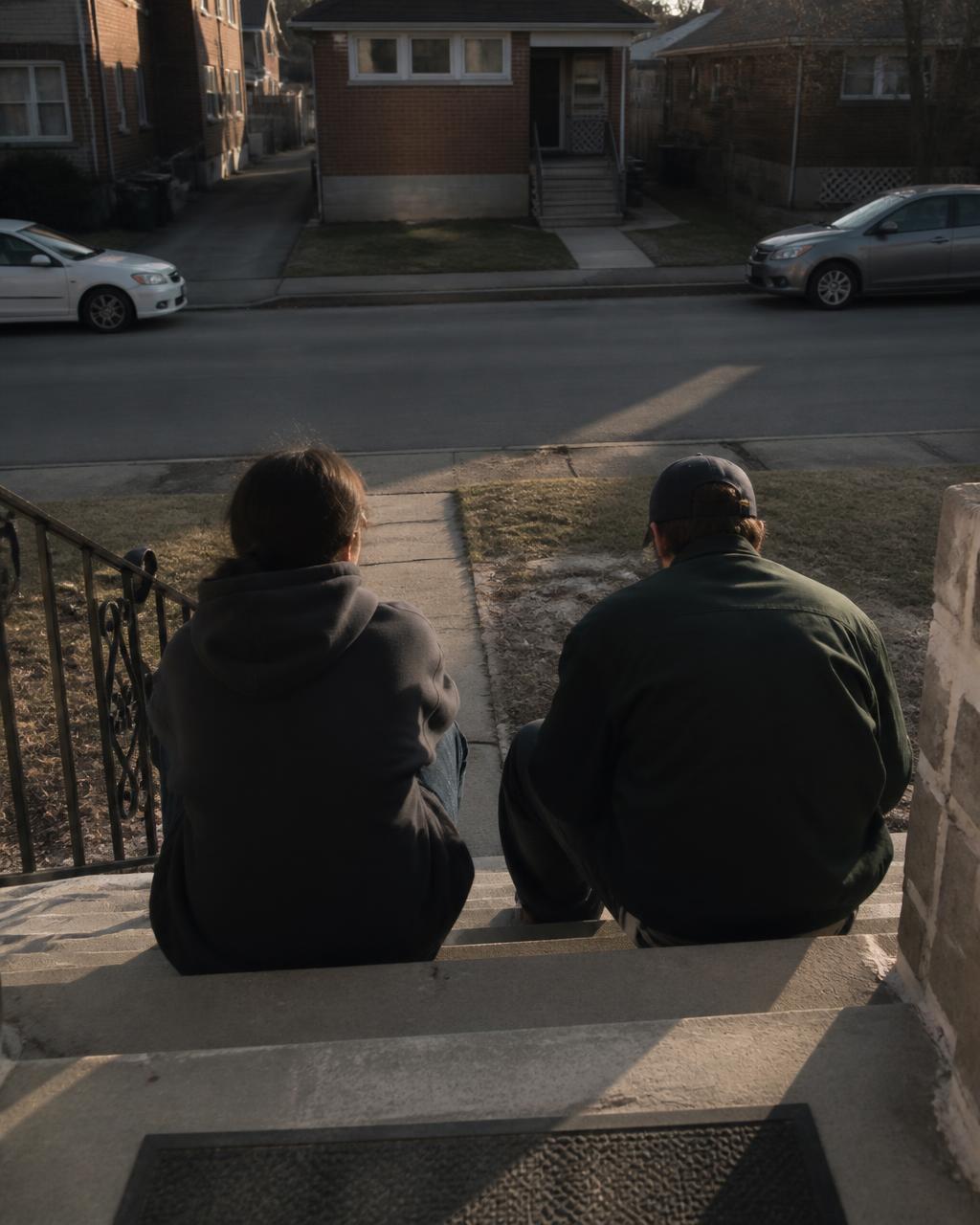
This is part of why just having someone sit quietly next to you when you're upset can help, even before anyone says anything or fixes anything.
Try this
If you're having a hard moment, try asking a trusted grown-up to just sit near you for a bit, even without talking about what's wrong yet.
Evidence confidence
Strong confidence
This draws on a large and long-running body of developmental research; the exact mechanisms are still studied, but the overall link between stable relationships and resilience is well established.
Source
Center on the Developing Child (2020). Feeling Close to Someone Can Help Your Body Feel Safer. Harvard Center on the Developing Child — research briefs on relationships and resilience.
Peer-reviewed · Free full text available · Last reviewed 2026-08-15
Read the original research →One study isn't the whole storyOne study gives us a piece of the picture. Selfey looks for patterns across the broader evidence rather than treating a single finding as a rule.
Read this in everyday terms
Sometimes You Need Space. Sometimes You Need Someone Close.Selfey research briefs are educational summaries, not medical advice, diagnosis or treatment. Research describes patterns across groups; it cannot tell you what is right for your situation.
Related research
- ConnectionThe U.S. Surgeon General Named Loneliness a Public Health PriorityA 2023 U.S. Surgeon General advisory concluded that loneliness and isolation carry health risks on par with other major, well-established risk factors.
- ConnectionThe short exchange with the barista is doing something.Brief, warm exchanges with acquaintances and strangers were linked to greater daily happiness and belonging, on top of any benefit from close relationships.
- ConnectionWhat Actually Helps Reduce Loneliness? A Look at the EvidenceProgrammes that helped people rethink negative social assumptions reduced loneliness more than programmes that just added social opportunities.