
For adults · Rest
The Hour After Everyone Else Is Asleep
It's 11:40pm, the dishwasher is humming, and you are wide awake doing absolutely nothing productive on purpose. That's not a failure of discipline. It might be the only unclaimed hour you have.
Selfey Editorial · 7 min read
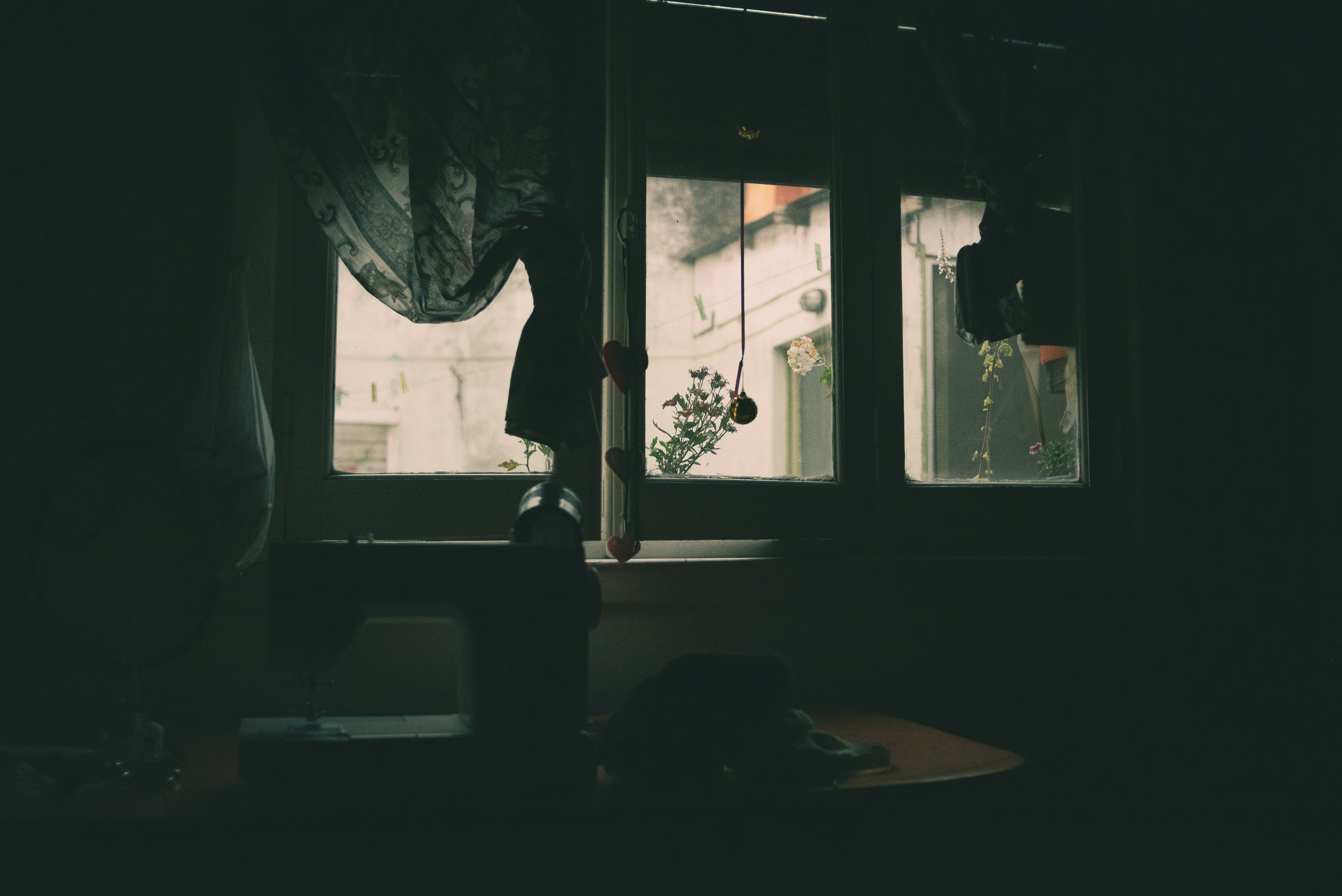
The kitchen is quiet, the dishwasher is humming through its final cycle, and the glow of a street lamp cuts across the floor. It is twenty to twelve. The last email has been cleared, the doors are locked, and no one in the house or the office will ask anything of you for the next seven hours. By every logical measure, you should be asleep. Your eyes are dry, your shoulders carry the dull ache of twelve hours on the move, and the alarm set for six-thirty will arrive with brutal indifference. Yet you remain on the sofa, scrolling aimlessly through videos you will not remember tomorrow, or letting a familiar television series run in the background while staring at nothing in particular.
This delay is not born of insomnia in the traditional sense. If you laid your head on the pillow, you would fall asleep within minutes. Rather, getting into bed feels like an admission of defeat. To sleep is to close the book on today, and closing today means tomorrow begins immediately — bringing with it another unbroken round of duties, meetings, caretaking, and demands. Staying awake, even in a state of bleary semi-consciousness, is the only way to keep tomorrow at bay.
The quiet currency of unclaimed time
When your daylight hours are entirely spoken for, time ceases to feel like your own. From the moment the morning alarm rings, your attention is allocated to other people: employers, clients, children, partners, elderly parents, or the relentless maintenance of running a home. Every hour is budgeted, every movement is purposeful, and every conversation carries a layer of responsibility. Even leisure during the day is often negotiated around schedules and shared obligations.
The late-night hour is different because it is structurally unoccupied. Nobody sends high-stakes messages at midnight expecting an instant reply. Nobody asks where their shoes are or when dinner will be ready. The world withdraws its claims, leaving behind a vacuum of expectation. In that vacuum, staying awake becomes an act of quiet, instinctual resistance — a desperate attempt to claw back some small portion of the day that belongs entirely and unconditionally to you.
Psychologists sometimes refer to this as revenge bedtime procrastination, borrowing a concept popularised in East Asian work cultures where fourteen-hour workdays left workers with no personal agency except at night. But the word 'revenge' slightly misses the point. This is not spiteful or aggressive; it is compensatory. It is a psychological survival mechanism seeking autonomy when the daytime offers none.
The hour isn't the problem. The absence of any other hour like it is.
Why standard sleep advice fails this feeling
Most mainstream sleep guidance treats the habit as a mechanical failure of sleep hygiene or an executive functioning lapse. We are told to establish a serene wind-down routine, banish blue light, keep the bedroom cool, and implement rigid cut-off times for screens. The National Health Service and clinical sleep clinics offer sound physiological advice for settling the nervous system: consistent wake times, limiting late caffeine, and creating a restful sleeping environment.
Yet when your primary barrier to rest is emotional rather than physiological, standard sleep hygiene can feel like an eviction notice. Telling someone whose day was entirely consumed by others to 'just switch off the screens and go straight to bed' is functionally asking them to surrender the only part of their existence that felt free. It treats the symptom — staying up late — while completely ignoring the underlying hunger for personal sovereignty.
When sleep advice ignores this dynamic, it inadvertently fuels a cycle of self-reproach. You know you should be sleeping, you feel guilty for sitting awake, and that guilt adds cognitive tension to an already exhausted mind. Shaming yourself for wanting an hour to yourself does not extinguish the need; it simply makes the late night more stressful, driving you further into mindless distraction to escape the feeling of failing your own health goals.
The Cycle of Displaced Autonomy
Daytime hours consumed by external demands and caretaking
Accumulated deficit of personal choice and quiet autonomy
Midnight arrives as the sole unmonitored window of time
Bedtime delayed to reclaim a feeling of individual agency
Next-day exhaustion weakens daytime boundary setting
The compounding cost of borrowing from tomorrow
Acknowledging the validity of the need does not make the physiological cost disappear. The trade-off is brutally real. Both the NHS and the Centers for Disease Control and Prevention point to sustained short sleep as a major driver of impaired emotional regulation, decreased working memory, heightened systemic inflammation, and metabolic disruption over time. When we steal hours from the night, we are not taking time from our employers or our chores; we are borrowing energy from our own tomorrow, and the interest rate is steep.
This creates a self-reinforcing trap. Waking up depleted after five hours of fragmented rest leaves you with less cognitive bandwidth and emotional stamina. With reduced capacity, it becomes significantly harder to hold firm boundaries at work, say no to non-essential requests, or carve out breathing room during the day. By evening, you are more drained, your daytime autonomy was even lower than usual, and the urge to stay awake at midnight burns even hotter.
- Reduced executive function makes saying 'no' to daytime demands much harder
- Higher baseline cortisol increases evening agitation and delays natural sleepiness
- Passive digital consumption replaces restorative leisure because active hobbies require energy you no longer have
Moving the margin into the light
The genuine solution to bedtime procrastination does not happen at 11:30pm when your willpower is drained and your brain is tired. The work happens hours earlier, by deliberately inserting small pockets of non-negotiable personal territory into the middle of the day. If autonomy is distributed across your waking hours, midnight no longer has to bear the impossible weight of keeping you sane.
This does not require hours of free time that you do not possess. It means claiming micro-margins: ten minutes sitting in the car with the engine off before walking through the front door; five minutes on a park bench between errands with your phone turned face down; a protected twenty-minute lunch break spent reading a novel rather than catching up on domestic administrative tasks. These small intervals send a signal to your nervous system that your life still contains space for you.
Equally, if you do choose to keep a late-night window, transform it from an accidental collapse into a deliberate choice. There is a vast psychological difference between losing an hour to an automated algorithm and consciously choosing forty-five minutes of quiet tea, a warm bath, or an engaging book. When the time is chosen with intention, it restores you; when it happens by inertia, it leaves you feeling both tired and empty.
Reframing the act of going to bed
Part of breaking the late-night resistance involves altering what sleep represents in your mind. If sleep feels like the gatekeeper that ushers in tomorrow's labor, of course you will resist it. But sleep can also be understood as the ultimate boundary you set on behalf of yourself — a decisive statement that the world has had enough of your energy for one day and cannot have any more.
When you turn off the light and pull up the covers, you are not surrendering to your obligations. You are protecting the vessel that has to carry you through life. Going to bed at a reasonable hour is not an act of compliance with a demanding schedule; it is an act of fierce stewardship over your own mind and body, ensuring you wake up with enough strength to live a life that actually belongs to you.
Sources + further reading
- Bedtime procrastination: introducing a new area of procrastination — Frontiers in Psychology · Kroese, De Ridder, Evers & Adriaanse, 2014 — the study that coined and measured bedtime procrastination.
- How to fall asleep faster and sleep better — NHS
- Sleep and Health — CDC
General information, not medical advice. If something feels unmanageable, speak to a GP or a qualified professional.
Keep reading

For adults · Rest
Anchoring One End of Your Sleep
You can't force yourself to fall asleep on schedule. You can control when you get up. Sleep researchers say that's the more powerful lever anyway.

For adults · Rest
The First Ten Minutes Through the Door
What you do in the ten minutes after arriving home shapes the whole evening more than most people realise.
For adults · Rest
When You Can't Let Yourself Stop
You know you need rest. You've said it out loud. And you still keep moving. What's actually happening when stopping feels impossible.
Want to make this personal?