
For kids · Life
When Your Day Has Too Many Things In It
School, then a club, then homework, then another thing — no wonder it feels like a lot.
Selfey Editorial · 6 min read

The school bag lands by the front door, the trainers are kicked off into the hallway, and before the coats are even hung up, the next stage of the afternoon is already in motion. There is a swimming kit to pack, a musical instrument case resting against the sofa, a half-eaten snack in the car, and the lingering awareness that spelling lists and reading records are waiting on the kitchen table. None of these activities are bad in themselves. In fact, most of them were chosen with excitement. Yet by five o'clock, the atmosphere in the house feels taut, hurried, and faintly breathless.
If you are a young person living through a week like this, or a parent steering a household through one, you might recognise the specific kind of weariness that follows. It is not necessarily the physical exhaustion that comes after a long run or a day at the beach. It is something quieter and more pervasive: a feeling that time is constantly running out, that you are perpetually behind schedule, and that every hour of your life belongs to a plan made by someone else.
What an overloaded day actually feels like
When a day contains too many distinct events, children rarely announce the problem with clarity. They do not often say that their working memory is saturated or that their nervous system has had no transition time between cognitive demands. Instead, overfilling tends to show up in the margins of the day as resistance, friction, and sudden changes in mood.
It frequently looks like dawdling when putting on shoes, sudden tears over a minor disagreement about tea, or a sharp reluctance to get into the car for an activity that was eagerly anticipated only yesterday. To an adult trying to keep the schedule moving, these behaviours can look like deliberate stalling or lack of cooperation. In reality, they are often a child's nervous system instinctively applying the brakes because it has had no opportunity to digest what has already happened.
By the evening, this relentless pacing often produces a state known as hyper-arousal. Rather than feeling drowsy and ready for sleep, a child who has moved directly from school to structured sport to academic practice often arrives at bedtime feeling wired, restless, or irritable. The brain has been asked to remain vigilant, responsive, and performative for twelve consecutive hours, and it cannot simply switch off because the lights have been turned down.
Your brain needs gaps, not just activities
There is a common misunderstanding in modern parenting culture that enriching, enjoyable activities do not deplete energy in the same way that schoolwork does. We tend to assume that because a child loves football, drama club, or coding workshops, those hours function as rest or recreation. But every structured environment carries cognitive and social costs.
In every club, class, or rehearsal, a child must interpret external instructions, manage social dynamics with peers, regulate their emotional responses to winning or losing, and monitor their own performance. Even when the experience is positive, the brain is actively working. Attention is directed outwards, focused on meeting expectations and following rules.
What the developing brain requires to stay resilient is not merely a change of activity, but true white space. In cognitive psychology, unstructured periods are known to be essential for memory consolidation, creative synthesis, and emotional regulation. When nothing new is demanding an answer, the default mode network of the brain activates, allowing children to process their day, daydream, and settle their internal state.
Liking something and having room for it in your life are two entirely different questions.
The Spectrum of a Child's Afternoon
- Classroom & Tests
- Coached Sports & Lessons
- Organised Clubs & Playdates
- Independent Hobby Time
- Undirected Free Play & Daydreaming
How unstructured time builds resilience
When children are given regular stretches of time with no adult agenda, they learn how to navigate boredom, discover their own interests, and practice internal self-regulation. Clinical guidelines from the American Academy of Pediatrics emphasise that unstructured, child-driven play is not a luxury or a reward to be earned after all the work is done, but a biological necessity for healthy social-emotional and cognitive development.
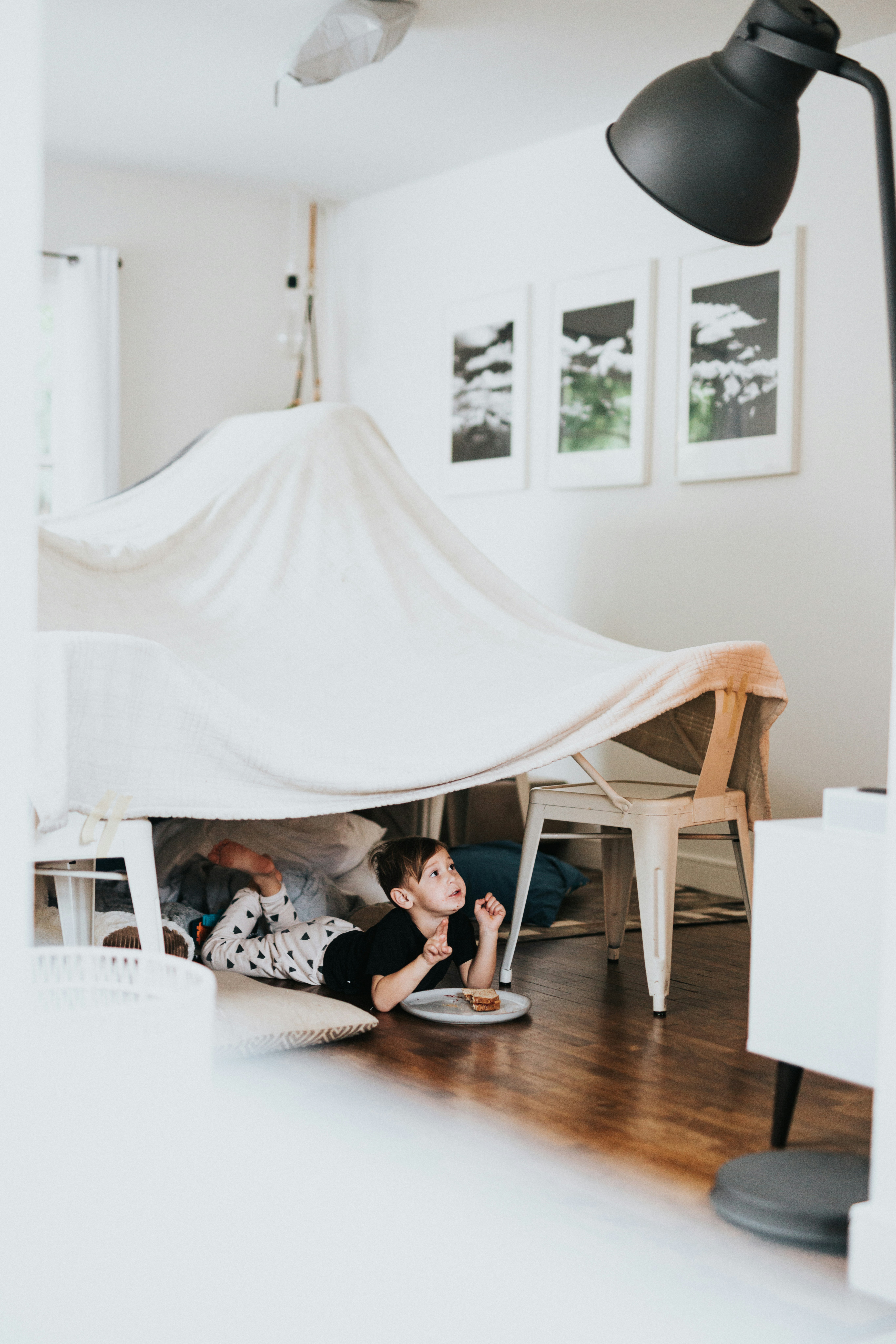
When every hour is scaffolded by adults, children miss the chance to ask themselves fundamental questions: What do I feel like doing right now? What happens if I sit under this table and arrange these stones? How do I work out an argument with my sibling without a referee stepping in? The capacity to self-direct begins in the quiet moments when nobody is telling you what comes next.
Auditing the week together
Changing a crowded family routine does not require a dramatic overhaul or an immediate withdrawal from everything your child cares about. It begins with an honest, gentle audit of how the week actually feels from Monday to Sunday. When parents and children look at the diary together as partners rather than adversaries, the conversation shifts from managing behaviour to protecting wellbeing.
Children often hesitate to admit that they are overwhelmed because they worry about letting down their parents, their coaches, or their team-mates. They may also fear that saying an activity feels like too much means they will never be allowed to do it again. Reassuring them that pausing or reducing a commitment is a healthy adjustment helps remove the stigma of quitting.
- Notice which specific days consistently trigger rushed arguments or bedtime meltdowns.
- Acknowledge that an activity can be genuinely wonderful and still be too much for this particular season.
- Build deliberate buffer zones of twenty to thirty minutes between school pickup and the next commitment.
- Protect at least one entirely blank afternoon or weekend morning every week where no schedules exist.
A note for the grown-up holding the calendar
Much of the pressure to keep children enrolled in multiple activities stems from understandable parental care. Modern family culture often equates good parenting with providing maximum opportunity, exposure, and social enrichment. It is easy to feel a quiet dread that trimming back on extracurriculars might leave a child at a disadvantage later on.
Yet the greatest gift a parent can provide is not an exhaustive resume of childhood accomplishments, but a regulated nervous system and a stable home environment. When parents have the courage to slow down the family tempo, they create space for connection, relaxed conversations over meals, and the kind of unhurried presence that children remember far longer than any specific training session.
Sources + further reading
- Overscheduled children and family stress — American Academy of Pediatrics (HealthyChildren.org)
- The importance of unstructured playtime — American Academy of Pediatrics
General information, not medical advice. If something feels unmanageable, speak to a GP or a qualified professional.
Keep reading

For parents & caregivers · Life
Helping a Child Who Struggles With Transitions
For some children, the change between activities is harder than either activity on its own. Here's what tends to help.
For kids · Joy
Why Play Still Matters
It's not just fun and games. Play is how your brain does some of its best work.

For kids · Rest
Why Kids Sometimes Fall Apart After School
Holding it together all day takes real work. It makes sense that something has to give once you're home.
Want to make this personal?