
For teens · Rest
Why Teenagers' Clocks Run Later (and What Actually Helps)
It's not defiance and it's not just phones. Adolescence genuinely shifts the body's internal clock later — here's what that means for you.
Selfey Editorial · 7 min read
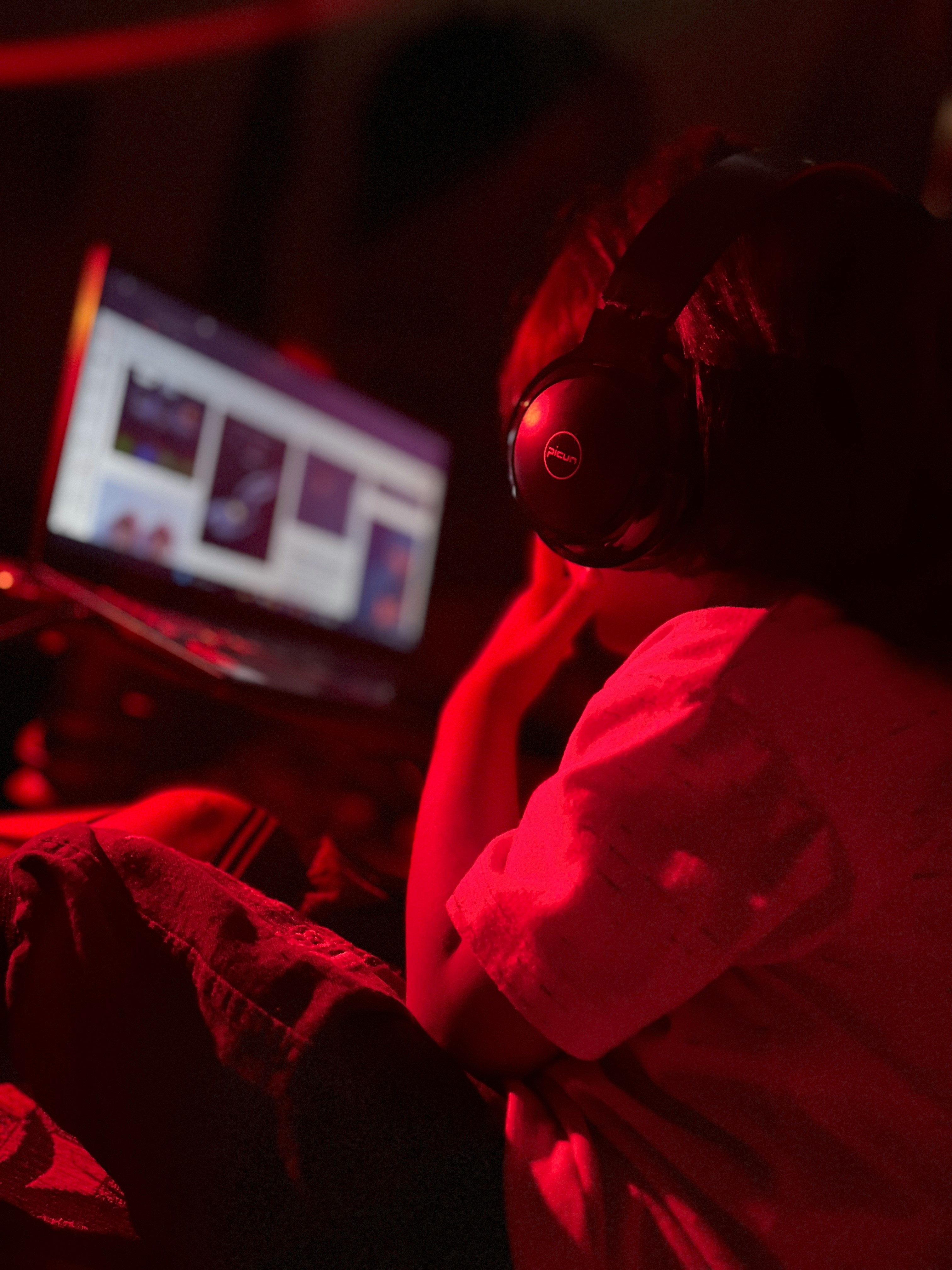
It is twenty past eleven on a Tuesday night. The house is completely dark and quiet, your homework is done, and you have been in bed for forty minutes with the lights off. Your eyes are open, staring at the ceiling. You are not particularly stressed, you are not thinking about anything dramatic, but your brain is completely awake. Tomorrow the alarm will go off at 7:00 am, and getting out of bed will feel like swimming through concrete.
Almost every teenager has been told, in one tone or another, that this is their own fault. The usual explanation from parents, teachers, and well-meaning articles is simple: you were on your phone too late, you have poor discipline, or you simply stayed up chatting when you should have been asleep. When you try to explain that you genuinely were not tired at ten, it often sounds like an excuse.
It is not an excuse. There is a specific, well-researched biological shift that takes place in your body during adolescence. Your internal 24-hour clock does not just tick at a different pace; it physically shifts its schedule. Understanding why this happens does not instantly fix the early morning alarms, but it changes how you approach the problem entirely.
The biology of the shift
Every human body runs on a circadian rhythm — an internal master clock in the brain that orchestrates body temperature, hunger, alertness, and the release of hormones. The main hormone responsible for telling your brain it is time to sleep is melatonin. In younger children and adults, melatonin typically starts to rise in the bloodstream around 9:00 or 10:00 pm. As the levels climb, you start to feel drowsy.
During puberty, physical changes alter how and when this hormone is produced. The brain begins to secrete melatonin roughly two hours later in the evening than it did when you were ten years old, and the levels stay elevated later into the morning. This biological change is known as a delayed sleep phase. It is not a malfunction or a lifestyle issue; it is a normal developmental milestone.
Because of this delay, asking a sixteen-year-old to fall asleep naturally at 10:00 pm is biologically equivalent to asking a forty-year-old to fall asleep at 8:00 pm. Your body simply has not received the chemical signal that the day is over. Similarly, waking a teenager up at 6:30 am corresponds biologically to waking an adult up at 4:30 am. That crushing physical fatigue you feel during first period is not laziness; it is your body being forced awake while melatonin is still circulating in your system.
The conflict with modern schedules
The fundamental problem is a mismatch between human biology and modern school timetables. The human body clock shifts back naturally in our early twenties, but between the ages of roughly twelve and twenty-two, the biological window for deep rest sits squarely between 11:00 pm and 8:00 or 9:00 am. Most secondary schools and colleges, however, begin classes between 8:00 and 8:45 am.
This mismatch creates what researchers call chronic sleep debt. When you lose one to two hours of necessary rest every single night from Monday to Friday, the deficit accumulates. By Friday afternoon, you are operating with the equivalent of a full night of missed sleep. That is why weekends often turn into marathons of sleeping until noon: your brain is desperately trying to clear the backlog.
Waking a teenager at 6:30 am corresponds biologically to waking an adult at 4:30 am.
Unfortunately, sleeping in until 1:00 pm on a Sunday has a serious side effect. It pushes your internal clock even further back. When Sunday night arrives, your body does not feel ready to sleep until 1:00 or 2:00 am, making Monday morning brutal all over again. Scientists call this phenomenon social jetlag, because your body experiences the exact same physiological shock as flying across three time zones every single weekend.
The Weekly Sleep Debt Cycle
Delayed melatonin pushes natural sleepiness to 11:00 pm or later
Early school alarms force waking while melatonin is still active
Daily 1-2 hour sleep debt accumulates across the school week
Long weekend lie-ins shift the body clock even further back
Sunday night insomnia restarts the cycle on Monday morning
Where screens actually fit into the picture
It is easy to get annoyed when adults blame everything on your phone. But it helps to look at the exact mechanism of what a screen does to your brain at night, rather than treating it as a moral failing. Your circadian clock is calibrated primarily by light entering the retina of your eye. Blue-frequency light, in particular, signals to the brain that it is midday and the sun is bright.
When you hold a phone or laptop close to your face late at night, that concentrated light directly suppresses whatever melatonin your brain was finally starting to produce. In other words, your biological clock was already running two hours late by default; holding a bright screen in bed pushes it back another hour or two. The phone does not create the delayed phase, but it amplifies it dramatically.
There is also the cognitive side. Scrolling through short videos, group chats, or gaming keeps your brain in an active, reactive state. Even if your body is tired, your nervous system remains alert, waiting for the next notification or punchline. Removing screens right before bed is not about following an arbitrary rule; it is about stopping yourself from actively fighting against your own delayed chemistry.
Practical levers that actually work
You cannot change the biology of puberty, and you probably cannot change your school start time. But you can use the cues that set your circadian clock to make the mornings slightly less painful and help your brain wind down earlier in the evening.
- Morning light matters more than most advice suggests — getting outside or near a bright window shortly after waking helps reset the body clock earlier over time.
- Keeping a consistent wake time, even on weekends, prevents the clock from drifting even later, which makes Monday mornings worse.
- Phones and bright screens in the hour before bed work against an already-late melatonin release — charging the phone outside the bedroom removes the temptation to check it in that window.
- Caffeine late in the day compounds a system that is already fighting to wind down; cutting it off by early afternoon gives the natural process more room to work.
Out of all these levers, morning light is the most underused. When bright natural light hits your eyes within thirty minutes of waking up, it starts an internal timer in your brain. That timer determines when melatonin will be released approximately fourteen to sixteen hours later. If you spend your morning in a dark room under the duvet, your brain delays setting that timer, making you feel alert even later the following night.
Working with your reality
Trying to completely overhaul your sleep schedule overnight rarely works. If your body is accustomed to sleeping from 1:00 am to 11:00 am on weekends, forcing yourself into bed at 9:30 pm on Sunday will only result in frustration and hours of tossing and turning. The circadian rhythm adjusts slowly, usually by about fifteen to thirty minutes per day.
Instead of aiming for an unrealistic ideal, aim for small stabilisations. An extra forty minutes of sleep each night across a term produces a noticeable difference in your memory, your reaction times, your mood, and your physical energy. You do not need a perfect routine; you just need to stop working directly against your own biology.
From the research
Teenage Sleep Patterns Actually Shift Later
Teenagers' internal body clocks naturally shift later, which is a real biological change, not just poor sleep habits.
Journal of Adolescence · 2015Why Pediatricians Recommend Later School Start Times for Teens
The American Academy of Pediatrics recommends school start times of 8:30am or later because earlier starts conflict with adolescents' biological sleep needs.
Pediatrics · 2014
Sources + further reading
- Teens and sleep — Sleep Foundation
- Puberty and circadian rhythm shifts — NICHD/NIH
- Sleep tips for teenagers — NHS
General information, not medical advice. If something feels unmanageable, speak to a GP or a qualified professional.
Keep reading
For teens · Rest
When Nighttime Is the Only Time That Feels Like Yours
You know you should go to sleep. You stay up anyway, because it's the only stretch of the day nobody's asking anything of you.

For teens · Connection
When You Get Home and Don't Want Anyone to Talk to You
You're not being rude. You've just used up your entire supply of talking to people for the day.
For teens · Connection
Your Social Battery Is at One Percent
Wanting to be alone right now doesn't mean anything's wrong with your friendships. It means the tank's empty.
Want to make this personal?