
For adults · Body
Eating Well When You Have No Energy to Cook
There's a version of nourishment that doesn't require a recipe, a plan, or the will to stand at a stove. This is about that version.
Selfey Editorial · 7 min read
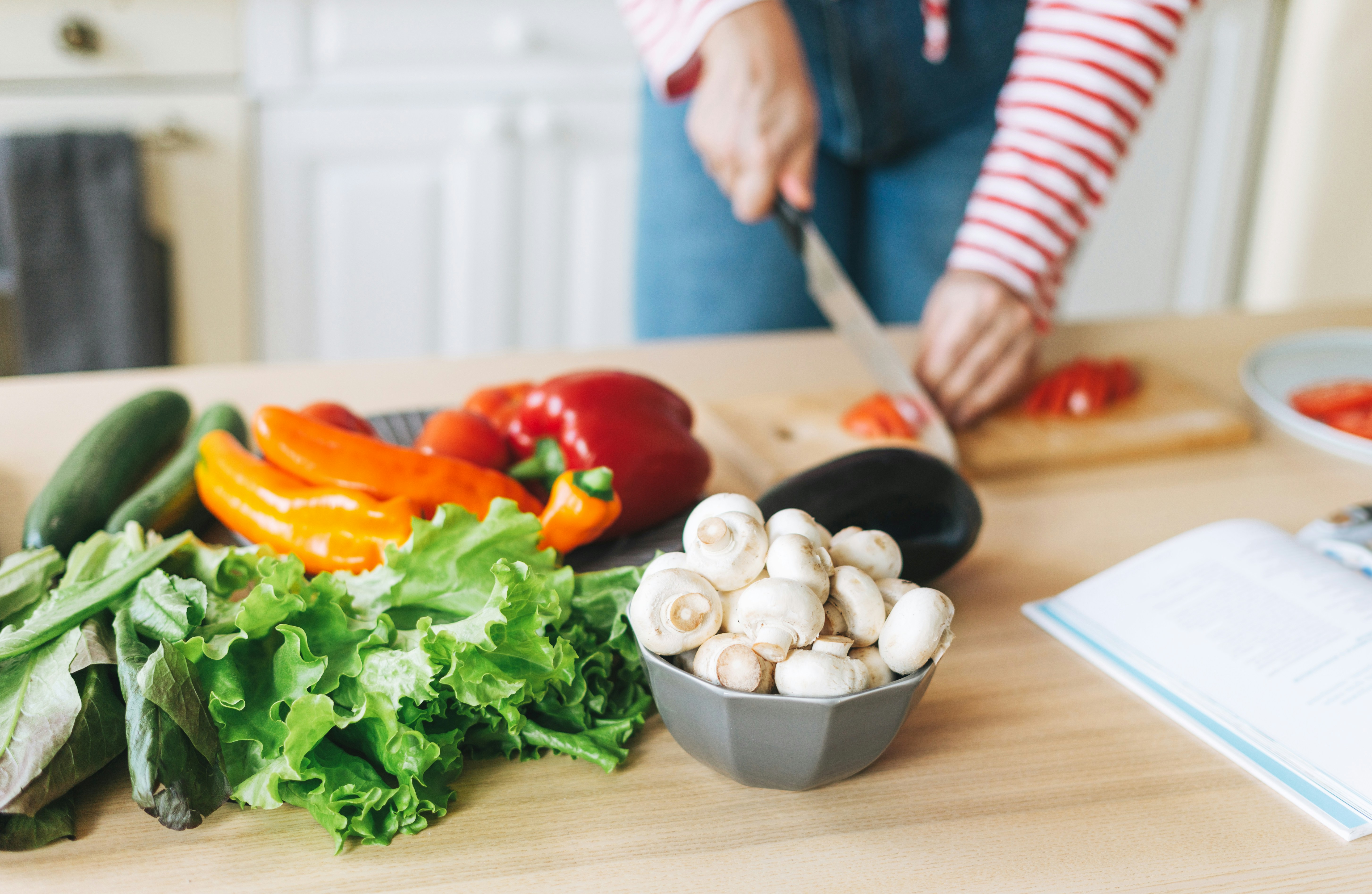
It is twenty past eight in the evening. You are standing in the kitchen in work clothes or thick wool socks, bathed in the pale, cold light of an open refrigerator. On the second shelf sits half an onion in clingfilm, a punnet of slightly wrinkled mushrooms, and a block of cheddar. In theory, these are ingredients. In practice, the steps required to turn them into hot food—finding a chopping board, hunting for a clean knife, heating a pan, waiting by the hob, washing everything afterwards—feel like being asked to walk five miles uphill in the rain.
You close the fridge door, step back into the quiet room, and consider going straight to sleep without eating at all, or settling for three dry biscuits from the back of the pantry. Most nutritional advice completely ignores this specific state of mind. It presumes an adult who has thirty uninterrupted minutes, clean worktops, and the executive bandwidth to follow a recipe. When life is heavy, demanding, or simply unrelenting, that baseline disappears.
Nourishment on an empty tank cannot look like nourishment on a leisurely Sunday afternoon. It does not need to be cooked, it does not need to look balanced on a plate, and it certainly does not need to satisfy an abstract standard of culinary virtue. It only needs to provide your nervous system and muscles with enough baseline fuel to carry you into tomorrow without a midnight blood sugar collapse.
Lower the bar on purpose
The primary obstacle between an exhausted person and a decent evening meal is rarely a lack of food; it is perfectionism masquerading as standard practice. We carry an unexamined belief that an evening meal must involve heat, a cohesive flavour profile, and several distinct food groups arranged on formal crockery. When our capacity falls below the threshold required to produce that vision, we tend to abandon the effort entirely.
Lowering the bar deliberately is an act of practical self-preservation. On depleted nights, the target is not a culinary triumph. The target is simply entering the night with something in your stomach that provides sustained energy, stabilizes your mood, and takes fewer than five minutes of mechanical effort to assemble.
When you abandon the requirement to 'cook' and instead give yourself permission to simply 'assemble' or 'consume elements', the kitchen ceases to be an obstacle course. Cold baked beans eaten directly from the tin while leaning against the sink contain the exact same dietary fibre, complex carbohydrates, and minerals as beans warmed slowly in a saucepan and served on buttered toast. Your digestive system does not care about presentation.
Prioritise stability over culinary completeness
When the brain is tired, it instinctively screams for fast, refined carbohydrates—crisps, sweet cereal, pastries, or plain white bread. This is an entirely logical evolutionary signal: the brain is short on glucose and is demanding the fastest available chemical energy. However, relying purely on quick sugars when already exhausted creates a steep physiological spike followed by an equally sharp crash an hour later, leaving you more irritable, restless, and prone to poor sleep.
You do not need to fight your craving for comforting carbohydrates; you merely need to give that carbohydrate an anchor. If you are having toast, add a slice of cheese, a spread of peanut butter, or a tin of mackerel. If you are boiling instant noodles, drop an egg into the broth or tip in half a bag of pre-washed baby spinach that wilts in the hot water without any cooking at all. The goal is simply to introduce one source of protein or fat that puts the brakes on glucose absorption.
Convenience foods—frozen peas, tinned pulses, pre-cooked microwave grain pouches, and pre-washed salad leaves—are often treated in wellness culture as lazy compromises. In reality, they are modern triumphs of nutritional preservation. They contain stable micronutrients, require zero knife skills, produce almost no washing up, and remove the friction that stands between exhaustion and a fed body.
Low-Energy Meal Assembly
Acknowledge zero capacity without guilt
Grab an accessible carbohydrate base
Add one no-cook protein or fat
Drink a full glass of water alongside it
The guilt is doing more damage than the meal
A meal that took four minutes still leaves your body far better off than an imaginary dinner you never made.
A significant portion of the fatigue felt on difficult evenings does not come from physical work; it comes from the relentless internal monologue evaluating how well you are managing your life. Standing over a plate of crackers and hummus while mentally listing the vegetables you should have roasted creates a chronic, low-grade stress response that impairs digestion and worsens mental exhaustion.
Feeding yourself on a depleted evening is a purely functional biological transaction. It carries no moral weight. Eating a bowl of cereal with whole milk or a handful of almonds and an apple is a successful resolution to a physical requirement. Treating it as a personal failure merely spends emotional reserves that you cannot afford to waste.
Hydration as basic triage
When executive function drops to zero, the sensations of mild dehydration, physical hunger, and sheer nervous exhaustion frequently blur into a single, muddy feeling of malaise. Mild dehydration is well-documented to trigger dull headaches, lethargy, cognitive sluggishness, and increased cravings for quick sugar. Often, the feeling of being completely unable to face making food is compounded by having had nothing to drink since lunchtime.
Before you stand in front of the cupboards trying to force a decision on food, drink a large glass of tap water. It requires no cognitive effort, costs nothing, and takes twenty seconds. Even if it does not solve your hunger, it clears one physiological bottleneck and gives the nervous system a small measure of clarity before you decide what to eat.
Similarly, be cautious with late-evening caffeine. When energy drops at six or seven in the evening, reaching for a strong cup of tea or coffee feels like a lifeline to get through the remaining tasks of the night. In practice, it merely masks tiredness while disrupting the slow architecture of sleep that you will need to recover by morning.
- Keep two or three long-life proteins in the cupboard: tinned tuna, chickpeas, and nut butters
- Rely on the freezer: frozen edamame, berries, and ready-made dumplings require minutes of heat
- Accept pre-chopped ingredients without self-criticism if they bridge the gap between eating and starving
- Drink a glass of cold water before you decide whether you have the energy to eat
Designing for the tired version of you
The secret to eating adequately on bad days has nothing to do with will-power when the bad day arrives. It relies entirely on choices made when you have a modest surplus of energy. When you do your weekly shop, assume that at least two evenings will go entirely wrong. Do not stock a fridge assuming you will be an enthusiastic home cook every night from Monday to Sunday.
Stocking emergency food is an act of kindness directed toward your future, depleted self. Having two good-quality frozen ready meals in the freezer or three tins of soup in the cupboard is not an admission of defeat; it is competent planning. When the hard night comes, the infrastructure is already there, waiting to catch you without demanding a single creative thought.
Sources + further reading
General information, not medical advice. If something feels unmanageable, speak to a GP or a qualified professional.
Keep reading
For adults · Body
The Walk That Isn't About Steps
Not every walk needs a purpose you can measure. Some of the most useful ones are the ones you take specifically to stop counting.
For teens · Mind
Headphones, Hoodies and Other Ways We Make Space
The hood up, the headphones in, the sunglasses inside — these aren't avoidance. They're how you keep the world at a workable distance.
For teens · Mind
When You're Overstimulated and Everyone Is Annoying You
It's not that people got worse today. It's that your nervous system has had enough.
Want to make this personal?