
For teens · Body
Moving Your Body Without Making It About How You Look
Movement can be for how it feels, not for what it does to the way you look. That shift changes almost everything.
Selfey Editorial · 7 min read
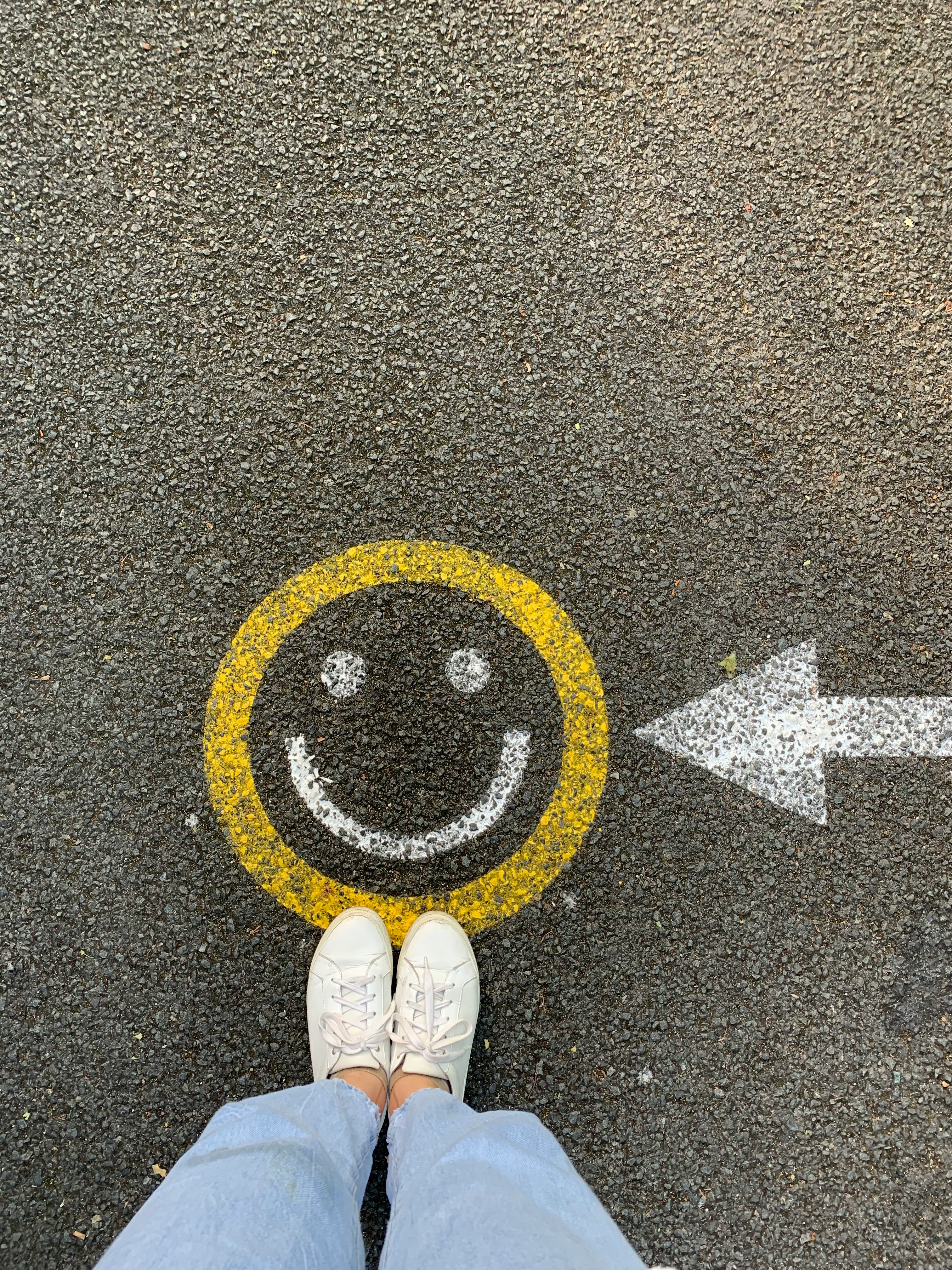
You are tying your trainers by the front door, and before you even step outside, your brain runs through an inventory. You catch your profile in the hallway mirror, glance down at your legs, and calculate how long you need to walk or run to cancel out what you ate for lunch. The sun is out, the air is cool, and your muscles are entirely ready to move. But before your foot has crossed the threshold, the movement has stopped being about fresh air and become a negotiation with your reflection.
At some point between childhood and right now, moving your body stopped being just something you did and turned into something you were supposed to use. A walk became 'burning off' an afternoon snack. A kickabout with friends became 'getting your cardio in.' Even the word 'exercise' often arrives weighed down with expectations about body fat, muscle definition, and how you look in clothes.
This framing takes something that belongs entirely to you and turns it into a scoreboard you are perpetually behind on. It also quietly erases a version of physical movement you almost certainly remember from when you were younger. Running across grass because running fast felt thrilling. Swinging on a railing because your arms were strong enough to hold you. Movement without a mirror anywhere in sight.
How movement turned into a transaction
The culture around fitness tends to treat the human body like a construction site. You are told to work on your core, tone your arms, or fix your posture, as if your physical self is a flawed draft that requires constant editing. When you scroll through social media, fitness advice rarely focuses on the pleasure of having joints that bend or lungs that fill with air. Instead, it is almost entirely framed around before-and-after photos, transformation challenges, and tracking metrics that reduce an afternoon outdoors to numbers on a screen.
When movement is framed as a transaction—effort in exchange for a changed appearance—it immediately inherits all the anxiety that comes with body image. If you feel insecure about how you look, moving your body becomes an urgent chore driven by shame. If you feel neutral or good about how you look on a given day, you might skip moving altogether because the perceived debt is paid. In both cases, the actual physical experience of movement is completely ignored.
This creates a fragile relationship with your body. Appearance changes slowly, unpredictably, and often not in the ways algorithms promise. If you only move to alter how your body looks to other people, every workout that fails to produce an instant visible change feels like wasted labour. You end up resenting the effort, dreading the routine, and eventually stopping—not because your body hates moving, but because your mind hates being judged.
Why We Move: From External Pressure to Internal Experience
- Punishing food choices or trying to alter specific body parts
- Tracking numbers, heart rates, or calories to measure worth
- Moving out of routine obligation or fear of losing progress
- Moving to release mental tension, boredom, or physical restlessness
- Moving purely for the sensory joy of rhythm, speed, or coordination
The quiet cost of the mirror test
When you view your body strictly from the outside, you develop a habit psychologists call self-objectification. You start treating yourself as an observer of your own life rather than the person living it. During a run, instead of noticing the wind against your face or the steady rhythm of your breathing, you wonder how your legs look from behind. During a dance class, instead of getting lost in the bass, you monitor how your waist looks in the studio mirrors.
This split attention is exhausting. It drains the restorative value right out of the activity. Movement has a natural ability to take you out of your head and drop you straight into physical reality—the immediate sensations of temperature, effort, balance, and release. But when you are constantly checking your appearance, you remain trapped in your thoughts, evaluating yourself while trying to exert yourself.
A reliable test of your mindset is noticing what you do immediately after you finish moving. Do you towel off, drink water, and notice a loose, tired calm in your shoulders? Or do you walk straight to a mirror, lift your shirt, or check your fitness tracker to evaluate whether the session 'worked'? If it is the second, the appearance trap has stepped in to claim the credit for something your body did just for you.
What moving for sensation actually looks like
Moving for how it feels means deciding what to do based on internal data rather than external rules. It begins with a straightforward question: what does my body feel like doing right now? Some days the answer is explosive and energetic—sprinting until your lungs burn, lifting heavy weights, or playing a competitive match where you throw everything into winning. Other days the answer is quiet—stretching on your bedroom rug, pacing the room while listening to an album, or taking an aimless walk without checking your pace.
It also removes the moral weight from rest. When movement is not a debt you have to pay to earn your food or justify your shape, skipping a day is simply a neutral choice based on energy levels. You do not need to make up for a quiet weekend by punishing yourself on Monday. Your body is not a business ledger.
Consider the activities you did when you were ten. You might have skated because sliding across concrete felt fast and smooth. You might have climbed a tree because reaching the branch required grip and focus. You might have tumbled onto a sofa because it was soft. None of those required a fitness tracker, a structured plan, or aesthetic goals. The satisfaction was self-contained in the movement itself.
Your body isn't a project to correct through movement. It's something you get to feel alive in, with no other justification required.
Letting your body belong to you again
Stepping away from aesthetic-driven exercise does not mean you have to give up sports, gym training, or challenging physical goals. It simply changes the foundation those activities sit upon. When you train to build strength, learn a skill, or clear your mind after a stressful week at school, your motivation comes from within. You are building capability and resilience for yourself, not performing for an imaginary audience.
The irony is that movement chosen for how it feels is far more sustainable than movement forced through guilt. You will always avoid things that make you feel inadequate, but you will naturally return to things that leave you feeling grounded, capable, and clear-headed. When you take the mirror out of the equation, movement stops being a test you can fail and becomes a resource you can draw on whenever you need it.
- Movement does not need a visual payoff or an appearance goal to be valuable.
- Choosing movement based on internal sensation makes physical activity sustainable over years.
- It is entirely fine for your movement to have nothing to do with fitness, metrics, or performance.
From the research
The WHO's Global Guidelines on Movement and Sitting Less
WHO's 2020 guidelines recommend 150–300 minutes of moderate activity weekly for adults, plus strength work twice a week, stressing that any movement beats none.
British Journal of Sports Medicine · 2020Enjoyment Depends on Not Watching Yourself Do the Thing
Full absorption without self-judgment or an audience is strongly linked to genuine enjoyment, and evaluating an activity while doing it tends to reduce that enjoyment.
Flow: The Psychology of Optimal Experience (Harper & Row) · 1990
Sources + further reading
- Physical activity guidelines and adolescent mental health — World Health Organization
General information, not medical advice. If something feels unmanageable, speak to a GP or a qualified professional.
Keep reading
For teens · Body
Movement Doesn't Have to Be a Workout
You don't need leggings, a plan or a playlist. You need to stop sitting for ten minutes.
For teens · Mind
You're Allowed to Change Your Mind About Who You Are
The version of you from a year ago liked different things, wanted different things, dressed differently. That's not inconsistency.

For teens · Mind
When You're Overstimulated and Everyone Is Annoying You
It's not that people got worse today. It's that your nervous system has had enough.
Want to make this personal?