
For teens · Body
Movement Doesn't Have to Be a Workout
You don't need leggings, a plan or a playlist. You need to stop sitting for ten minutes.
Selfey Editorial · 6 min read
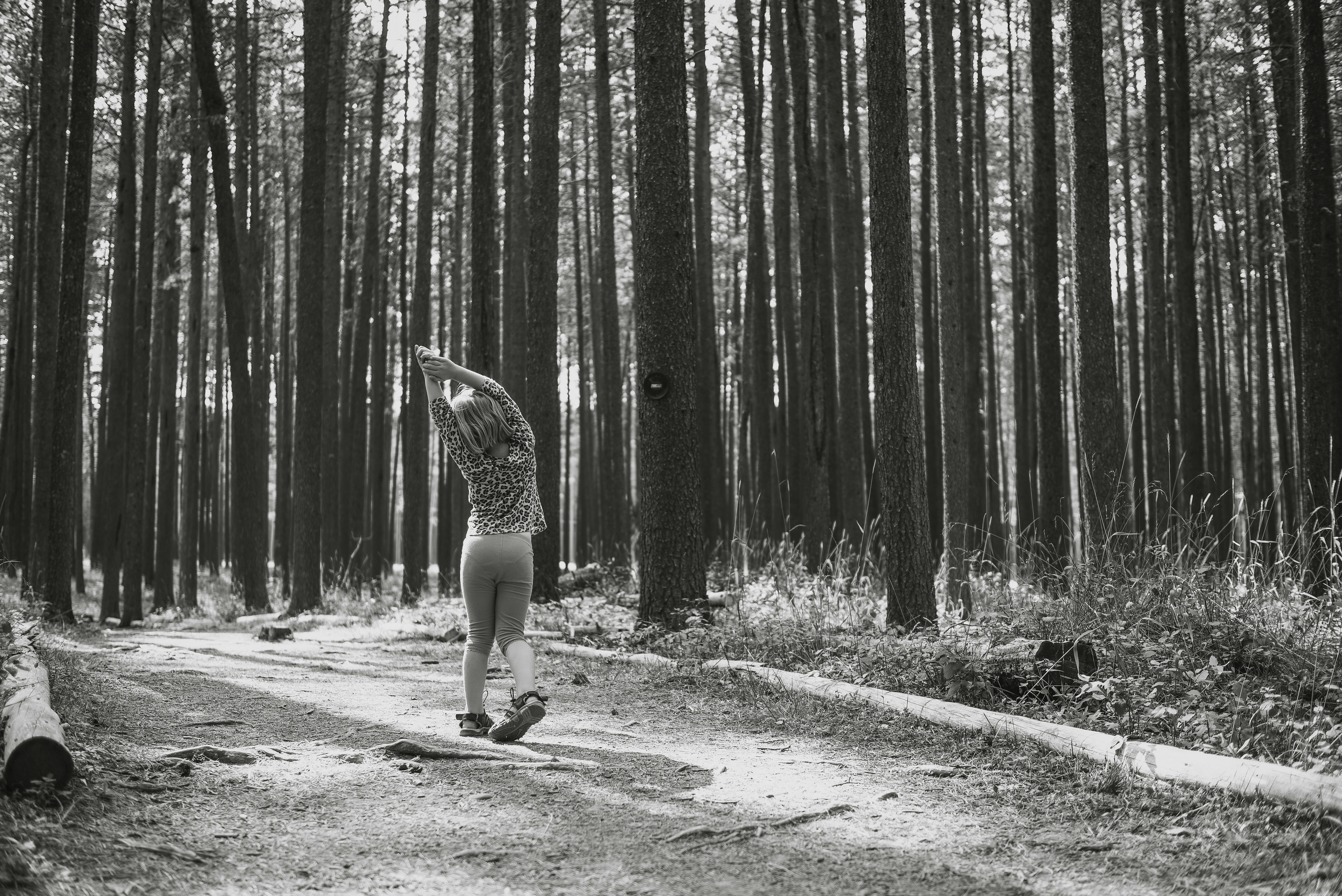
It is four in the afternoon on a Tuesday, and you have been sitting in the same spot on your bed for three hours. Your legs feel strangely heavy, your neck is stiff from looking down at a screen, and your brain feels like static on an untuned radio. You know you should probably get up. But somewhere in your head, getting up has become tangled with the idea of doing a proper workout, putting on the right clothes, finding a playlist, or going for a forty-minute run in the cold. Because you cannot face doing any of that, you stay exactly where you are, scrolling through other people living loud, energetic lives while you sink further into your mattress.
Somewhere along the way, the idea of moving your body got hijacked by fitness culture. It stopped being an instinctive human behaviour and turned into a project with metrics, special gear, aesthetic standards, and strict routines. When moving requires that much preparation, it becomes the very first thing to drop off the list the moment school, friendships, or family life get overwhelming. So you skip it entirely, even though five minutes on your feet might have been the exact thing that untangled your head.
There is a quiet trap here. The more drained you feel, the more your nervous system would benefit from a shift in physical state. Yet the more drained you feel, the less capable you are of executing anything that resembles deliberate exercise. Both of these facts are true at the same time. The way out is not to force yourself through sheer willpower into an intense training session you do not have the energy for. The way out is to realise that the threshold for movement that genuinely helps your brain is vastly lower than the version presented online.
The bar is lower than you think
Movement does not need a set, a rep count, or a tracker to alter your brain chemistry. When you pace around the kitchen waiting for the kettle to boil, wander to the end of the road to post a letter, or lie on the carpet and stretch your shoulders while listening to a voice note, your body is doing real, measurable work. It is shifting blood flow, releasing muscle tension, and altering your baseline arousal.
Your biology does not care whether your clothes came from a sports shop or whether you logged the minutes into an app. It only recognises physical motion. When you stand up and shake out your arms, your joints register decompression, your breathing pattern automatically deepens, and your eyes shift from a tight focal point thirty centimetres away to a wider horizon. That wide-angle visual shift alone sends a biological signal of safety to your nervous system.
Part of why this works comes down to how your nervous system regulates itself. Sitting motionless in a bedroom for six hours traps your body in a low-arousal, hyper-focused state where anxious thoughts easily loop without interruption. Moving breaks that loop simply by providing competing sensory information. Your body is not grading your form or judging your speed. It is just registering that something changed.
How unstructured movement shifts state
Physical stillness and prolonged screen focus lock the nervous system into a static loop
A brief physical shift interrupts the visual and postural fixation
Proprioceptive input from joints and muscles signals a change in environment
Heart rate and respiration recalibrate, reducing restlessness and mental static
Restless tired versus sleepy tired
There is a distinct difference between being physically exhausted from manual effort and being mentally depleted from sensory overload. If you have spent the entire day navigating crowded school corridors, social dynamics, deadlines, and endless notifications, your exhaustion is cognitive and emotional. It is a restless kind of tired. It makes you want to lie flat, yet when you do, your mind races and your skin feels irritable.
That specific restlessness rarely responds well to more stillness. Lying in bed staring at another screen does not give your nervous system genuine rest; it simply continues the same low-level mental strain while keeping your limbs static. Your body is holding onto residual stress hormones that are designed to be cleared through physical action. It wants an exit route, not another hour under a duvet feeling vaguely guilty.
Your body is not a machine that needs to be trained. It is an organism that needs to shift position.
When you give that built-up tension an outlet — even by walking briskly around the block once in your slippers and a coat — the physical pressure valve releases. You return to your room feeling a different, cleaner kind of tired. That is the point where actual rest becomes possible.
You do not need the right mood to begin
One of the most persistent myths about movement is that you must feel motivated before you start. The reality is that motivation is almost always an outcome of movement, not the catalyst for it. If you wait until you feel energized, confident, and eager to step outside, you might wait weeks, especially during stressful terms or dark winter months.
You also do not need to enjoy the movement while you are doing it. You are entirely allowed to walk down the street thinking about how annoying the weather is and wishing you were back inside. The biological benefits do not require an enthusiastic attitude to take effect. Ten minutes after you get back, your shoulders will still have dropped, your breathing will still be steadier, and your thoughts will be slightly less claustrophobic.
Movement as an adjustment, not a cure
Taking a short walk will not solve an argument with a friend, finish your coursework, or fix the underlying reasons why life feels difficult right now. It is important to be clear about that. When people promise that exercise will magically solve mental health struggles, it creates understandable resentment. You try it once, your problems are still there, and you feel let down.
Think of light physical movement not as a cure, but as a dial adjustment. If your stress level is sitting at an overwhelming eight out of ten, stepping away from your desk and moving for seven minutes might bring it down to a six. A six is still uncomfortable, but it is a state from which you can think, make a sandwich, or decide what to do next without spiralling. That slight reduction in intensity is worth having.
- Walking to the shop in your normal clothes counts
- Pacing the room while listening to music or talking on the phone counts
- Stretching on the floor without a yoga mat or a routine counts
- The goal is changing your physical state, not proving fitness
You are allowed to move simply because your joints want to bend and your lungs want to expand, without turning it into a performance or an obligation. It does not need to be recorded, shared, or praised to be valid. Shifting your weight, stepping outside into cold air, and letting your body remember it can move through space is always enough on its own.
From the research
Sources + further reading
- Physical activity and mental health — World Health Organization
- Exercise and mood — Harvard Health Publishing
General information, not medical advice. If something feels unmanageable, speak to a GP or a qualified professional.
Keep reading
For teens · Body
Moving Your Body Without Making It About How You Look
Movement can be for how it feels, not for what it does to the way you look. That shift changes almost everything.
For teens · Mind
Headphones, Hoodies and Other Ways We Make Space
The hood up, the headphones in, the sunglasses inside — these aren't avoidance. They're how you keep the world at a workable distance.

For teens · Mind
When You're Overstimulated and Everyone Is Annoying You
It's not that people got worse today. It's that your nervous system has had enough.
Want to make this personal?