
For parents & caregivers · Body
Quiet Isn't Calming for Every Child
Some children settle in silence. Others need noise, movement, pressure, or rhythm to find calm at all.
Selfey Editorial · 6 min read

It is seven in the evening, and the bath is done, the pyjamas are on, and the bedroom curtains are drawn against the twilight. You have lowered your voice to a soothing hush and turned off the overhead lights, following every piece of conventional parenting wisdom on how to wind down. Yet instead of softening into the pillows, your seven-year-old is launching themselves off the edge of the mattress, crashing repeatedly into a pile of laundry, and humming at full volume. The more you ask them to lie still and take deep breaths, the more frantic their limbs become, until the room feels charged with an unbearable kind of static.
In moments like this, it is easy to assume defiance or an inability to listen. You have created an environment designed for peace, and your child appears to be actively dismantling it. But for a significant number of children, the quiet room does not feel peaceful at all. It feels empty, unanchored, and physically distressing. The silence does not soothe their nervous system; it leaves it floating without a reference point, prompting the body to generate its own intense sensations just to feel steady.
If this sounds familiar, you have not failed at bedtime or discipline. You have simply been offering low-stimulation calming to a child whose nervous system requires high-input regulation. Learning to tell the difference is often the turning point between an evening spent in mutual frustration and one where everyone finally gets to rest.
What regulation looks like when quiet fails
When we picture a calm child, cultural habit usually presents us with an image of stillness: a child sitting quietly with a book, lying peacefully under a duvet, or breathing softly in a dim room. But physiological regulation—the internal state where the nervous system feels safe, organised, and settled—does not always look like quiet repose. For many children, regulation is active, loud, and physically demanding.
A child who regulates through movement might pace the kitchen while telling you about their afternoon, bounce rhythmically on an exercise ball while completing their homework, or need to run laps around the garden in the rain before they can sit at the dinner table. A child who seeks proprioceptive input—the internal sense that tells our brain where our body is in space—might wedge themselves into tight spaces between furniture, pile heavy cushions on top of their chest, or ask for hugs that squeeze the breath out of them.
Other children rely heavily on auditory or rhythmic anchors. They may hum a single tone while drawing, tap their heels against the floorboards in steady repetition, or fall asleep significantly faster when listening to an audiobook or steady white noise than in a silent room. In each case, the behaviour is not an obstacle to calm. It is the vehicle through which calm is being constructed.
Why different nervous systems need different inputs
To understand why silence can feel destabilising, it helps to consider how sensory processing works throughout the day. Every human nervous system constantly receives, filters, and integrates information from the senses: sights, sounds, smells, movement, and internal body signals. Some nervous systems are naturally sensitive to high levels of input; when overwhelmed, they recover best by reducing stimulation—dimming lights, removing background noise, and resting in stillness.
Other nervous systems have a higher sensory threshold or struggle to process subtle positional signals. For these children, a sudden drop in sensory input can feel like stepping off a solid path into thin air. Without clear, strong feedback from their muscles, joints, and skin, their brain feels ungrounded. Their instinctual response is to seek out rapid movement, hard impacts, or loud vocalisation to re-establish that internal map.
When we demand that a movement-seeking child simply sit still in a quiet room, we are asking them to bear an uncomfortable internal void without any tools to resolve it. The resulting restlessness is not misbehaviour; it is a physiological search for grounding. Once the body receives the firm input it is craving, the nervous system can finally downshift.
The Regulation Spectrum
- Dim lights and silence
- Soft textures and stillness
- Rhythmic sound and gentle rocking
- Deep compression and heavy blankets
- Big muscle work, jumping, and resistance
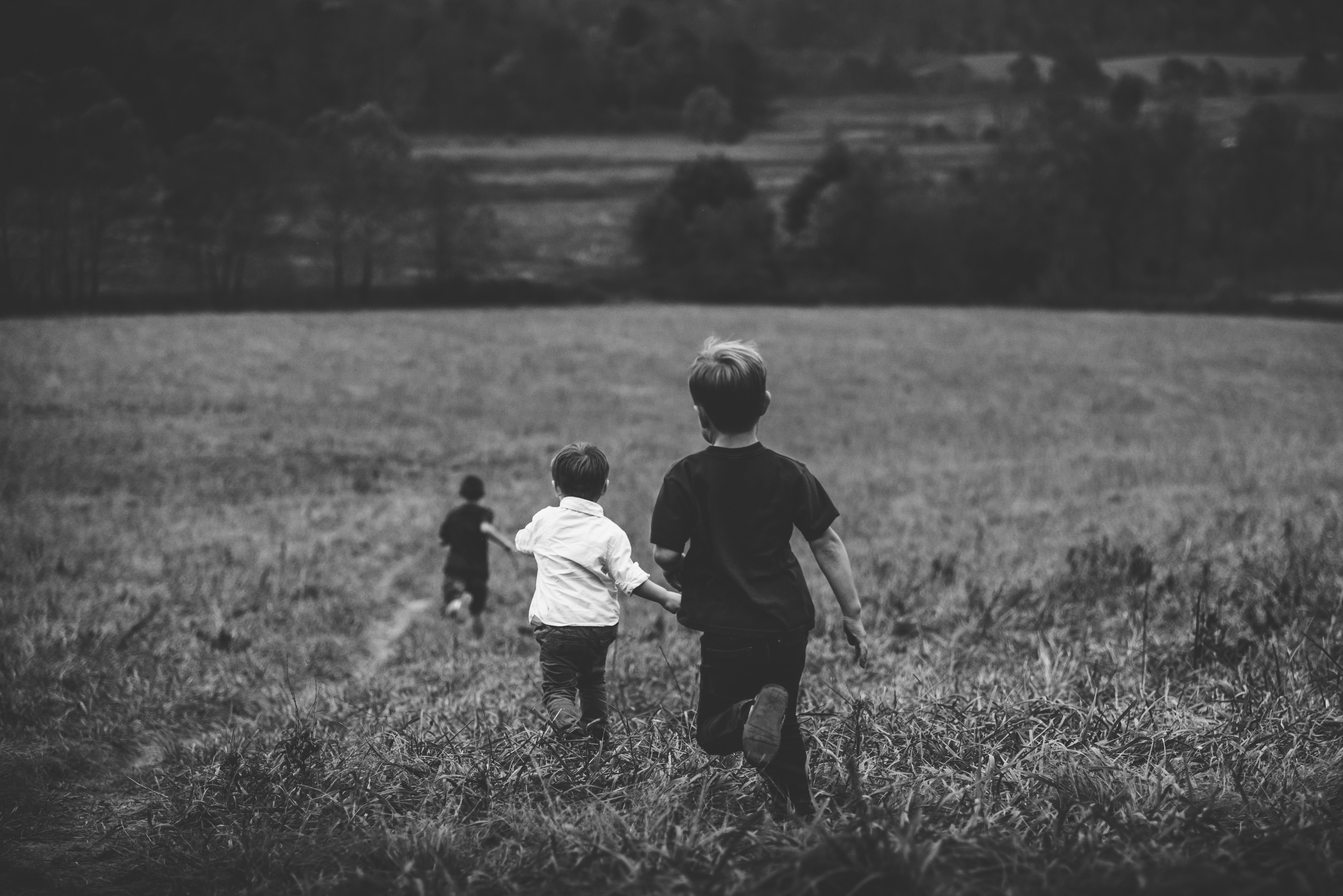
For some children, calm isn't found by sitting still. It's found by moving until stillness finally makes sense.
Practical ways to offer organising input
Shifting your approach does not require specialist equipment or elaborate routines. It mostly requires giving yourself permission to offer physical resistance, weight, and movement at moments where you previously tried to enforce quiet. By meeting the nervous system's need for input proactively, you can help your child find true physiological rest much faster.
- Offer heavy work before transition points: carrying a stack of books, pushing a laundry basket full of clothes, or carrying groceries inside before starting homework or dinner.
- Incorporate joint compression before bed: firm back rubs, gentle squeezes down the arms and legs, or a tight tuck under a weighted blanket or heavy duvet.
- Create safe crashing zones: a pile of floor cushions or a beanbag where your child can jump, roll, and land firmly without risking injury.
- Allow auditory anchors: low-fi music, rhythmic rain sounds, or an audiobook at low volume during wind-down periods rather than requiring total silence.
- Normalise fidgeting and pacing: allow standing at the table, sitting on a balance cushion, or walking while talking about their feelings.
Navigating siblings and shifting needs
One of the most complex aspects of managing sensory regulation at home is the reality of family life. In many households, one child settles best in absolute quiet while their sibling needs to bounce, hum, or stomp to regulate. When these children share a room or an evening routine, their competing needs can rapidly spiral into conflict, with one child's regulating behaviour directly overloading the other.
Where space allows, dividing the wind-down period into small individual zones can make an immediate difference. Even ten minutes in separate rooms—one child listening to music while jumping on a mini-trampoline, the other reading under a soft lamp—allows both nervous systems to get what they require without compromising each other. Noise-cancelling headphones can also be a valuable boundary tool for a noise-sensitive sibling.
It is equally important to remember that a single child's needs will fluctuate from day to day. A child who spent six hours sitting at a desk during a rainy school day may arrive home desperate for large physical exertion. That same child, returning from a loud, chaotic birthday party, might find movement overwhelming and need deep pressure and dim lighting instead. Checking in with what the body is asking for right now, rather than sticking rigidly to one label, keeps your parenting responsive and realistic.
Redefining what calm looks like in your home takes practice, particularly if you grew up believing that a quiet child is the only measure of peaceful parenting. But when you begin to see movement, weight, and rhythm as genuine pathways to peace, the daily struggle against your child's instincts falls away. Calm is not the absence of sound or motion; it is the presence of safety and regulation inside the body.
From the research
Sources + further reading
- Sensory processing in children — American Academy of Pediatrics (HealthyChildren.org)
- Physical activity guidelines for children and young people — NHS
General information, not medical advice. If something feels unmanageable, speak to a GP or a qualified professional.
Keep reading

For parents & caregivers · Body
What Sensory Overload Can Look Like in Children
Some children hit their limit with noise, light or crowds much faster than others — and it isn't misbehaviour.

For parents & caregivers · Body
Getting Kids Moving Without Turning It Into a Programme
You don't need a class, a schedule or the right equipment. You need permission to let it be messy, unstructured, and short.
For parents & caregivers · Body
When Your Child Needs to Move Before They Can Settle
For some kids, stillness isn't the first step toward calm — it's the last one, after enough movement to get there.
Want to make this personal?