
For parents & caregivers · Body
Getting Kids Moving Without Turning It Into a Programme
You don't need a class, a schedule or the right equipment. You need permission to let it be messy, unstructured, and short.
Selfey Editorial · 6 min read
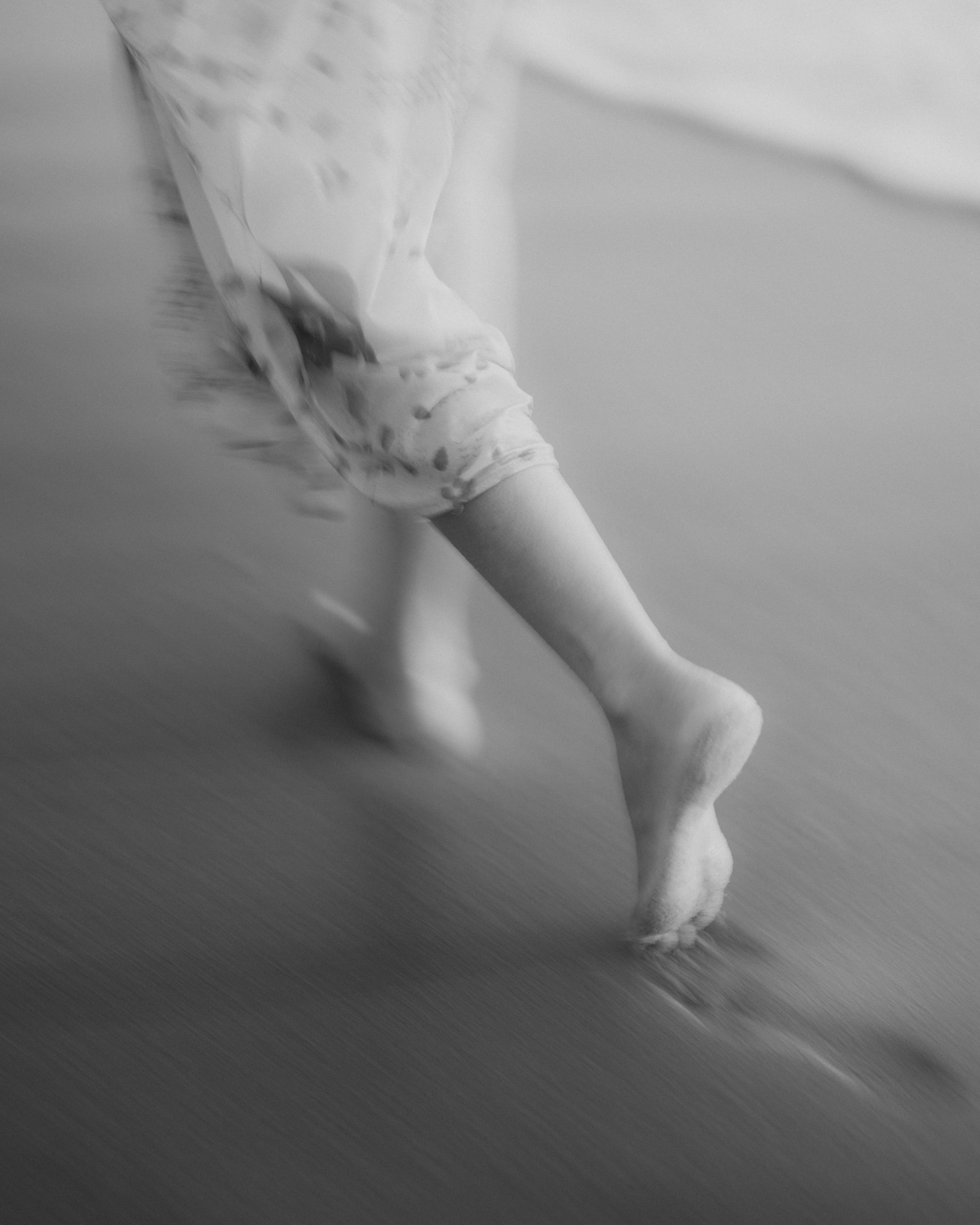
It is four o'clock on a Tuesday afternoon. There is a football kit balled up damply at the bottom of a rucksack, an overdue invoice for a term of junior gymnastics sitting in your email inbox, and a seven-year-old lying across the sofa with their feet in the air, complaining loudly that they are bored. You are already mentally calculating the traffic across town for the five-fifteen drop-off, wondering how dinner will happen between the warm-up drills and bedtime.
If your household's approach to movement involves booking a weekly slot, buying specialized footwear, and driving through rush-hour traffic twice a week, you have made an entirely reasonable choice. In modern family life, structured classes offer predictability, supervision, and the quiet reassurance that you are doing the responsible thing. Yet without meaning to, we have quietly turned physical movement into an administrative task—something that requires a uniform, a fee, an instructor, and a timetable.
The quiet irony is that most of a child's natural physical development across a week is not supposed to look like that at all. When we treat exercise as an appointment rather than an ambient part of daily life, we accidentally teach children that movement is something you travel to, perform under supervision, and leave behind when the session ends.
What young bodies actually need
Public health guidance from major health bodies puts a consistent, heavy emphasis on active play rather than formal athletic instruction. For children under twelve, scrambling over fallen branches, chasing an older sibling around a kitchen island, building sofa dens, and tumbling across a rug are not poor substitutes for a structured sports syllabus. They are the primary engine of motor development, cardiovascular health, and nervous system regulation.
When a child invents their own physical game, they naturally self-regulate intensity in a way no coach can replicate. They sprint until their lungs burn, collapse into the grass for forty seconds to catch their breath, crawl slowly on their hands and knees following an insect, and then leap up to sprint again. This spontaneous, interval-style movement matches young physiology far better than thirty minutes of standing in a queue waiting to kick a ball into a net.
This is liberating news for any caregiver running low on time, money, or logistical patience. A patch of rough grass, a municipal park, a clear square of carpet, and ordinary household objects will, on most days, do more meaningful developmental work than a heavily coached session. Unstructured movement costs nothing, requires no special transport, and generates no administrative dread.
The Spectrum of Childhood Movement
- Coached league sport with set drills
- Weekly group class or lesson
- Family walk with a rough route
- Loose outdoor game with negotiated rules
- Pure exploratory play and rough-and-tumble
The caregiver's job is smaller than it feels
Somewhere along the way, parenting culture absorbed the idea that an adult must direct, entertain, or referee every activity a child engages in. We feel an instinctive urge to supply rules, keep score, or suggest the next game when we see a child wandering aimlessly near the back door. But when adults step in to lead, children naturally step back into passivity, waiting for instructions rather than listening to their own physical impulses.
Your actual role as a caregiver is substantially simpler, though it requires a different kind of patience. It is less about planning activities and more about removing the small friction points that prevent movement from happening on its own terms. It means turning off screens without making it a moral battleground, stepping outside even when the sky is grey, and holding space for a degree of domestic disorganisation.
The garden doesn't need bunting or a lesson plan. It just needs to be available.
Children do not need tailored equipment to engage their bodies deeply. A pile of sofa cushions, a couple of cardboard delivery boxes, an old tyre, or an uneven garden path provide far richer sensory feedback than plastic athletic gear. The secret is availability and permission: knowing that their environment is resilient enough to handle their energy without an adult immediately telling them to be quiet or sit still.
Lowering the barrier to daily active play
The biggest obstacle to unstructured movement is rarely a lack of enthusiasm; it is usually the sheer effort required to get started. If leaving the house requires finding matching wellies, packing three bags, and navigating a forty-minute journey, movement becomes an exhausting event for everyone involved. To make active play habitual, we need to reduce the steps between stillness and action to almost zero.
Think in micro-doses rather than dedicated blocks of time. Ten minutes of chasing shadows on the pavement on the way home from school, five minutes of balancing on low brick walls, or a spontaneous wrestling match on the living room rug before dinner all count toward the daily total. These short, intermittent bursts match how children naturally manage their energy levels.
It is completely normal for children to look lost or declare themselves bored for the first five or ten minutes of open-ended time. In a world of highly curated entertainment, unstructured space can feel momentarily disorienting. If you can resist the urge to rescue them from that quiet pause, their curiosity almost always takes over. A stick becomes an imaginary tool, a puddle becomes a boundary to jump over, and movement begins naturally.
When structured activity is worth keeping
None of this means you should immediately cancel every swimming lesson or football club. Organised sports and classes offer real benefits: they teach specific motor proficiencies, provide shared rituals, and introduce children to non-parental mentors who can encourage them in unique ways. For a child who genuinely loves ballet, martial arts, or team athletics, these classes are a genuine source of joy and belonging.
The key is understanding that structured classes and organic play serve entirely different psychological functions. A weekly class provides formal skill acquisition; daily active play provides autonomic regulation, emotional decompression, and imaginative agency. One cannot simply replace the other. When family schedules become so crowded with extracurricular commitments that there is no time left for messy, undirected rambling, physical activity can begin to feel like another chore to endure.
From the research
Sources + further reading
- Physical activity guidelines for children and young people — NHS
- How much physical activity do children need? — CDC
General information, not medical advice. If something feels unmanageable, speak to a GP or a qualified professional.
Keep reading
For teens · Body
Moving Your Body Without Making It About How You Look
Movement can be for how it feels, not for what it does to the way you look. That shift changes almost everything.

For parents & caregivers · Rest
Why Boredom Can Be Good for Kids
The urge to fill every gap in the day is understandable — but empty time is doing more for your child than it looks like.
For kids · Joy
Why Play Still Matters
It's not just fun and games. Play is how your brain does some of its best work.
Want to make this personal?